Exercise in Nature to Boost Mental Health

June 7, 2010

Exercising in the green, natural environments has long been known to boost – not necessarily the physical health benefit – but one’s mood, self-esteem and odds of avoiding mental illness such as depression and other psychological conditions. But a study has pinpointed exactly how much time spent working out in green environments – not sitting around outside but actually exercising in those parks, gardens, nature trails and nature-heavy environments – is required to achieve maximum mental health benefit. And it’s a mere five minutes. The study conclusions were released on May 1, by the journal Environmental Science & Technology.

Click here and type in “depression,” “anxiety” or any other mood-related health challenge in the search bar to learn more about what you can do to enhance your outlook and stave off depression and anxiety.  Another helpful site is SickSyndrome.com.

A few favorite natural supplements prescribed at our medical practice used to enhance mood include Tryptophan, Anxiety Pack, and the Sickness Syndrome Depression Pack.

In health,

Dr. G


The Wall Street Reform Bill…Stop FTC Censorship of Science Based Health Information and Nutritional Supplements

May 12, 2010

Below is a reprint of a call to action by the Citizens for Health regarding deceptive language hidden within the Wall Street reform bill that grants the FTC the power to end access to information about the health benefits of the nutritional supplements you rely on.  The provisions relating to this increased legislative power (which incidentally was taken away from the FTC before because they abused it) has already passed the House (H.R.4173) and is now being considered by the Senate Commerce Committee.  Act now  to help stop these provisions from becoming law.

In health,

Dr. Gina

Hidden inside the Wall Street reform bill are provisions that would grant the Federal Trade Commission (FTC) the equivalent of extraordinary legislative powers. These provisions have already been passed by the House (H.R. 4173) and are being considered by the Senate Commerce Committee.

If signed into law, this bill would grant the FTC:
Unbridled authority to create rules about “unfair or deceptive acts or practices” across all but a few sectors of the American economy;

Power to seek immediate civil penalties for “unfair or deceptive acts or practices without first giving companies the opportunity to change their practices”;

Authority to go after companies for allegedly “aiding and abetting” others in an FTC Act violation, even without actual knowledge of the violation; and

Power to seek such penalties without coordinating with the Justice Department. 

Make no mistake – this is a serious threat to manufacturers, distributors and retailers of dietary supplements, and would censor your access to truthful, science-based information about the positive health effects of supplements, vitamins, herbs, and other natural health products.

The Senate Commerce Committee is ready to act –  click here to send a letter now urging them to oppose this bill.

Examining the impact of this dangerous legislation further shows that delegating such unbridled regulatory authority would harm the economy, limit market innovation, and jeopardize the jobs and products that flow from such innovation. The FTC could use expanded rule-making authority to regulate areas where its involvement would hinder new and emerging business practices, such as internet marketing. The threat of FTC rule-making would lead to the stifling of innovation in the marketplace, stunting growth that would otherwise create a projected 2.6 million new jobs in the internet marketing workforce over the next five years.

Citizens for Health will continue to fight efforts to limit your access to truthful, science-based information about the benefits of supplements – but we need your help.

Click here to contact your senators today and stress the importance of upholding the long-standing safeguards that prevent FTC over-reaching. 

Thanks for making your voice heard,

The Citizens for Health Team


Flaxseeds Lower Cholesterol in Men

April 30, 2010

A new study just presented at the American Society for Nutrition’s annual meeting at Experimental Biology 2010 shows that consuming 150 milligrams – about three tablespoons – of flaxseed lignans daily decreases cholesterol in men by almost 10 percent within three months. PureMeal, a part of the 21 day LTP Medical Purification Program, includes flaxseed meal and is a convenient, tasty way to support purification and lower your cholesterol on a daily basis!


Protect Local Farmers…Your Health May Depend on It

March 22, 2010

Below is a reprint from Food Democracy Now with a call to action to let the USDA and Department of Justice know that our local farmers must be protected.  Watch out for corporate control of your food! And, please consider a contribution to Food Democracy Now! They offer a balanced perspective on the agriculture industry and work diligently on our behalf to keep the US food supply safe and healthy.  The quality of the food we eat is one of the most important components to health and well-being.

In health,

-Dr. G


The evidence is in: America’s food system is broken. Every week we read about record-breaking food safety recalls, a spiraling childhood obesity epidemic, and the continued loss of independent family farmers.

All of these problems can be traced back to one thing: excessive consolidation by Big, corporate food. But change may be on the way.

Recently, the Departments of Justice and Agriculture held their first joint workshop here in Iowa to gather evidence of antitrust violations in food and agriculture.(1) We were encouraged by the workshop, the first of five to be held this year,(2) but also concerned that the same companies that have caused these problems were well represented on the panels, while the family farmers most negatively impacted by corporate food monopolies were only given the opportunity to speak after public officials had left the building.

Even though these workshops are an important first step, real family farmers must have a seat at the table. It will take all our voices to ensure that the Justice department holds giant agribusiness accountable.

Please join us and tell the Attorney General Eric Holder and Secretary of Agriculture Tom Vilsack that it’s time to break up America’s corporate food monopolies before they do more harm.

http://fdn.actionkit.com/go/bust_up_big_food/124?akid=112.63486.P_0Wpl&t=7

The aisles of most American grocery stores give an overwhelming illusion of choice when it comes to our food. A closer look, however, quickly reveals that most of the meat, grain, milk — and even the grocery stores themselves — are all owned and controlled by just a few corporations.

The figures are startling:
• A single company (Monsanto) controls the seeds of 93% of soybeans and 80% of the corn grown in the U.S.(3)

• 4 companies (Tyson, Cargill, Swift & National Beef Packing Co.) control 83% of the beef packing industry(4)

• 4 companies (Smithfield, Tyson, Swift & Cargill) control 66% of the pork packing industry

For too long now, food and agricultural production has been consolidated into the hands of a few agribusiness giants. These companies dictate to us how our food is produced, how much farmers are paid for their crops and livestock and how much consumers pay for food.

Food Democracy Now! participated in last week’s workshop. We heard Attorney General Eric Holder talk about the “reckless deregulation that has restricted competition in agriculture” and promise that the Department of Justice, under his watch, was committed to “vigorous enforcement” of U.S. antitrust laws.

But given the power of the companies on the other side, we know that the change we need will not come easily. We must stand together and make our voices heard in favor of a fair and democratic food system!

Please support Secretary Vilsack and Attorney General Holder as they move forward. Join them today in pushing for real enforcement of U.S. antitrust laws and an end to America’s food monopolies. It only takes a moment. And after you’ve signed the petition, please ask your friends and family to do the same.

http://fdn.actionkit.com/go/bust_up_big_food/124?akid=112.63486.P_0Wpl&t=9

P.S. The next hearing will be in Normal, Alabama on May 21st 2010, and will focus on the poultry industry, followed by a hearing on the notoriously concentrated dairy industry in Madison, Wisconsin on June 7th. We’ll be sure to keep you informed.

Sources:
1. US pledges to probe, bust agribusiness monopolies, Reuters, March 12, 2010
http://fdn.actionkit.com/go/125?akid=112.63486.P_0Wpl&t=12

2. Department of Justice, Antitrust Division, Public Workshops, Agriculture and Antitrust Enforcement Issues in Our 21st Century Economy
http://fdn.actionkit.com/go/94?akid=112.63486.P_0Wpl&t=14

3. Monsanto’s dominance draws antitrust inquiry, Patented seeds are go-to for farmers, who decry their fast-growing price, The Washington Post, November 29, 2009
http://fdn.actionkit.com/go/95?akid=112.63486.P_0Wpl&t=16

4. 2007 Concentration of Agricultural Markets report, compiled by Mary Hendrickson and William Heffernan of University of Missouri Department of Rural Sociology.


Organic Produce Under Attack

August 20, 2009

Seattle Farmers MarketA recent review by the UK Foods Standards Agency came out claiming that organic foods are no better than the less expensive conventionally grown foods.   A closer look at that review reveals some truths underlying the growing media attention and debate over whether or not organic foods are worth the extra buck. I am re-printing an excellent post on this topic  by Tom Philpott who farms and cooks at Maverick Farms, a sustainable-agriculture nonprofit and small farm in the Blue Ridge Mountains of North Carolina.

One of the key messages I received while researching this topic is that organic foods consistently contain a higher level of tertiary, phytochemicals then conventionally grown foods. These phytochemicals (e.g. resveratrol, chlorophyll, glucosinolates) hold as much, if not more promise for preventing and treating disease then the basic nutritional compounds that are used to test the benefit of one food over another.

In health,

Dr. Gina

A bit of nitrogen with those veggies?

Tom Philpott

A recent literature review by the U.K. Food Standards Agency concluded that organic foods offer no nutritional advantages to ones grown with conventional chemical agriculture.   The report quickly bounced around the media and the internet and has congealed into received wisdom. For example, in a recent chat with readers, Washington Post food politics columnist (and general policy writer) Ezra Klein engaged in the following exchange:

Santa Fe, N.M.: I saw a report today on a study finding that organic food isn’t any healthier than conventional food. Is buying organic a waste of money, in your opinion? Read the rest of this entry »


The Potential of Resveratrol-is it Worth Adding to your Health Regimen?

August 20, 2009

grapeResveratrol is a naturally occurring chemical found in the skins and seeds of red grapes, peanuts and in Polygonum, a popular and well respected herbal medicine from the Far East.  Currently, the research on Resveratrol is promising as a protective chemical against the damaging effects of toxins, synthetic estrogen and xenoestrogens, inflammation, and the process of aging.  It has specific actions on the brain, immune system, and heart.
In my practice I will use between 200 and 500 mg per day of Resveratrol as part of a treatment protocol. This typically is added to a protocol after a patient has been tested to determine if he or she has a deficiency of antioxidants or an imbalance of free radicals relative to antioxidants in the body.  All too often patients come into my practice with a huge bag of supplements, with no idea of what is working, what is not working and still battling the same symptoms that led him or her down the path of supplementation.

You know your body better then anyone else… you have been living in it your entire life!  You may have a sense of what is causing your symptoms and you also may have a sense for what medicines are helping or harming you.  To help confirm that sense, and develop a balanced approach to solving your health challenge, I encourage getting lab testing completed through a qualified Naturopathic Medical Doctor who has access and has experience with taking objective measured to get to an underlying biochemical cause for your symptoms.  And at that point, adding a powerful antioxidant such as Resveratrol to your protocol, and then re-testing after 3-6 months, this will let you know for certain if what you are taking is actually helping to balance your body!

In health,

Dr. Gina


Vitamin D3 & Curcumin for Brain Health

July 30, 2009

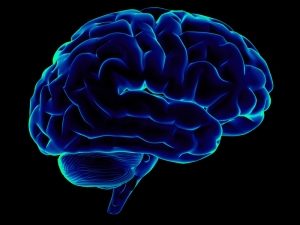
human brainA new research study, published in the Journal of Alzheimer’s Disease, points to the combination of Vitamin D3 and curcumin (derived from the common spice turmeric) to protect the brain against beta amyloid deposits. Beta amlyoid deposits can build up to form plaque.  This plaque is associated with an increase in brain cell damage and a significant increase in Alzheimer’s disease, which affects over 13 million people worldwide.

The combination of Vitamin D3 and curcumin help boost the immune system to the point of neutralizing and/or preventing the formation of these amlyoid deposits. The deposits are caused by excessive free radical production in the brain.  Other well researched foods that help to neutralize free radical production in the brain are spinach and raspberries.   Unfortunately, they are also at the top of the list of foods that have a higher content of pesticides, which increase free radical production and DNA damage. I recommend consuming these foods if they are locally grown and organic.

There are several genetic forms of Alzheimer’s.  The research shows that while one form responds well to curcumin, the other form does not.  However, when you combine the curcumin with Vitamin D3, it supports the immune system’s ability to eliminate the beta amyloid deposits from two different mechanisms, so that it also impacts patients with the genetic form of Alzheimer’s that does not respond to curcumin alone.

I am always in awe of the medicines offered in nature that impact even the most troublesome of health challenges.

In health,

Dr. Gina


Defend your Right to Know if Synthetic Hormones are in your Milk

July 22, 2009

Food Democracy Now and Organic Valley Family of Farms just released a call for help to rescind an anti-labeling law and prevent further regulations in Ohio that will restrict organic dairy farmers from labeling their products as free from the synthetic hormone rGBH.Tomatoe with nutriton facts

According to Food Democracy Now, there was a small group of corporations that pushed a law through last year making it illegal for organic farmers, such as Organic Valley Family of Farms, to label their products as free from artificial hormones.  On July 23rd the International Dairy Foods Association and Organic Trade Association will have a joint mediation with the Ohio Department of Agriculture to decide whether this rule go into effect.

To take action, call Ohio Governor Strickland and ask him to rescind Executive Order 2008-03S. Phone calls make the most impact so call today if it is important to you to know what is in the food you consume. His office # is: 614-466-3555.

I just saw the movie Food Inc. which is a revealing look into the reality behind how the food you consume and feed your loved ones is produced.  It is worth the time and energy, and offers hope and action steps you can take to improve the quality of our food supply.

This post is timely, as discussions are in full gear regarding healthcare reform in California and in the country.  Let’s focus on the cause of most chronic illness (which incidentally costs our government the most amount of money to manage), rather then masking the symptom by ensuring that all citizens receive the same level of healthcare which has failed miserably at treating chronic illness.  The foods we eat play the largest role in preventing and treating chronic illnesses such as heart disease and obesity.  Removing hydrogenated oils, refined sugar, high fructose corn syrup, genetically modified foods, and plant and animal proteins laden with synthetic hormones, antibiotics and pesticides from our food supply is an intelligible place to start. And by all means support companies such as Organic Valley Family of Farms that are willing to take the high road and produce quality products free from these disease-causing ingredients.

In health,

Dr. Gina


Alternative to Statin Medications to Lower Cholesterol

June 16, 2009
Safe Alternatives to Statin Medications

Safe Alternative to Statin Medications

CNN just reported on a new study published in the Annals of Internal Medicine, supporting previous research that red yeast rice extract paired with a healthy lifestyle is a safe and effective alternative to popular statin medication therapy (e.g. Crestor,Lipitor and Zocor), particularly in patients who suffer from muscle pain as a result of taking this class of cholesterol lowering drugs.  Red yeast rice contains a naturally occurring lovastatin called monacolin K, however it is only one of a plethora of compounds found within this natural medicine, that work in harmony to lower the production of cholesterol in the liver.  As with most natural medicines, you cannot isolate a single compound and attain the full spectrum of healing that is part and parcel to administering natural substances in their whole, unadulterated form.  There is a whole that is greater then the sum of its parts. 

In any case, it is nice to see research being published, albeit not perfect (the study was small and of short duration), to support what licensed Naturopathic Medical Doctors see clinically in their practice everyday.  The study author Dr. David Becker MD cautions against running out to buy a red yeast rice extract at your local health food store.  He advises working with a doctor if you are trying to lower your cholesterol and are seeking an alternative to statin medications. There are effective natural therapies for lowering cholesterol, and licensed Naturopathic Medical Doctors are trained to customize their treatment protocols to the individual patient for safe and optimal results.

In health,

Dr. G


Vitamin D Deficiency and Tooth Decay

March 24, 2009

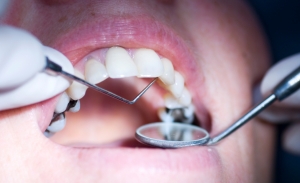
dental check upHere is yet another reason to consider getting tested for, and supplementing with Vitamin D3…I am re-printing a report released by the Orthomolecular Medical Society that discusses the connection between how much vitamin D3 you have in your body, and tooth decay, Alzheimer’s disease, respiratory infections, cancer, heart disease, diabetes and other ailments.  This is one of many essential nutrients that the body needs to function properly.   And it happens to be an inexpensive therapy that helps to prevent and  treat some of the most expensive diseases of our time like heart disease, cancer and diabetes. Vitamin D3 works synergistically with vitamin K and calcium to increase bone mineral density in women with osteoporosis. Some whole food sources include organic egg yolks, raw, organic butter (preferably from goat rather then cow), and cod liver oil.

Dr. G

Vitamin Deficiency Underlies Tooth Decay
Malnutrition Causes Much More than Dental Disease

Cavities and gum diseases are not often regarded as serious diseases, yet they are epidemic throughout our society, from the youngest of children to the oldest of senior citizens. Research more than suggests that the same good nutrition that prevents cavities and gum diseases may also prevent other illnesses.

Dental caries and gum pathology are frequently associated with serious chronic health problems. Multiple independent studies published after 1990 document this. Cavities are associated with poor mental health [1-4]. Elderly individuals with dementia or Alzheimer’s disease had an average of 7.8 teeth with fillings vs. an average of only 2.7 fillings for elderly individuals without dementia [1]. It is likely that the toxic heavy metal mercury, which makes up half of every amalgam filling, is a contributing factor.

A recent authoritative review showed a clear association between cavities and heart diseases [5]. More importantly, this same study showed that people with poor oral health, on average, lead shorter lives. The association between cavities and diabetes is also a subject of active, ongoing research [6-8]. Connections between heart disease, diabetes, and dental decay have been suspected for decades. Many of the scientists who called attention to this have proposed that diets high in sugar and refined carbohydrates were the common cause of these diseases [9-15].

Dental diseases, mental diseases, heart disease, infectious respiratory diseases, and heart disease are all at least partially caused by common failures in metabolism. Such failures are inevitable when there is a deficiency of essential nutrients, particularly vitamins D, C, and niacin.

There is especially strong evidence for a relationship between vitamin D deficiency and cavities. Dozens of studies were conducted in the 1930’s and 1940’s [16-27]. More than 90% of the studies concluded that supplementing children with vitamin D prevents cavities. Particularly impressive was a study published in 1941 demonstrated the preventative affect of “massive” doses of vitamin D [28]. And yet no subsequent studies in the scientific literature suggested a need to follow up and repeat this work.

Vitamin D deficiency is linked to respiratory infections, cancer, heart disease, diabetes and other ailments [29]. The evidence for vitamin C was reviewed by Linus Pauling [15], and the evidence for niacin was reviewed by Abram Hoffer [30].

Obtaining vitamins in sufficient doses to help prevent dental disease is safe and easily accomplished. Between 5,000 and 15,000 IU of vitamin D may be obtained from modest exposure to sunshine in the middle of the day. Recommending that people regularly use the capacity of their skin to make vitamin D is common sense. Certainly 1,000 to 2,000 IU per day of vitamin D in supplemental form is safe. 2,000 milligrams per day of vitamin C, and hundreds of milligrams per day of niacin, help prevent tooth and mouth troubles. Sick individuals, and those who are prone to cavities, will typically benefit by starting with higher doses of vitamin D, vitamin C, and niacin under the supervision of an orthomolecular physician.

We believe that individuals taking these nutrients, along with good dental care, will have dramatically fewer cavities and gum operations than individuals just getting good dental care. This idea is easily tested, and the time has come to do so.

References:

[1] B Ellefsen; P Holm-Pedersen; D E Morse; M. Schroll; B. Andersen; G. Waldemar. Caries Prevalence in Older Persons with and without Dementia. Journal of the American Geriatrics Society, Volume 56, Number 1, January 2008, 59-67(9).
[2] J M Chalmers, K D Carter, A J Spencer. Caries incidence and increments in community-living older adults with and without dementia. Australian Research Center for Population Oral Health, Dental School, The University of Adelaide, Adelaide 5005, Australia. Gerodontology Volume 19 Issue 2, 80 – 94.
[3] Friedlander, A.H.; Mahler, M.E. Major depressive disorder psychopathology, medical management and dental implications. Graduate Medical Education, Veterans Affairs Greater Los Angeles Healthcare System (14), Los Angeles, CA, USA. Journal of the American Dental Association (2001), 132(5), 629-638.
[4] Stewart, R.; et. al. Oral Health and Cognitive Function in the Third National Health and Nutrition Examination Survey (NHANES III), Psychosomatic Medicine 70:936-941 (2008).
[5] Meurman, J.H.; Sanz, M.;Janket, S. Oral infection and vascular disease. Institute of Dentistry, University of Helsinki, Finland. Vascular Disease Prevention (2007), 4(4), 260-267.
[6] Touger-Decker R, Sirois D A, Vernillo A T. Diabetes mellitus: Nutrition and oral health relationships. Department of Primary Care, School of Health-Related Professions, University of Medicine and Dentistry of New Jersey, Newark, NJ, USA. Editor(s): Touger-Decker, Riva. Nutrition and Oral Medicine (2005), 185-204.
[7] Diaz-Romero, R.; Casanova-Roman, R.; Beltran-Zuniga, M; Belmont-Padilla, J.; Mendez, J.; Avila-Rosas, H.. Oral Infections and Glycemic Control in Pregnant Type 2 Diabetics. Instituto Nacional de Perinatologia, Mexico City, Mex. Archives of Medical Research (2005), 36(1), 42-48.
[8] Twetman, S.; Johansson, I.; Birkhed, D.; Nederfors, T. Caries incidence in young type 1 diabetes mellitus patients in relation to metabolic control and caries-associated risk factors. Caries Research (2002), 36(1), 31-35.
[9] Bommer, S. Diseases of civilization and nutrition. Ernaehrungsforschung (1963), 7 598-612.
[10] Miler-Sosnkowska, M. Role of dietary carbohydrates in relation to their metabolism. Inst. Zywienia Czlowieka, Akad. Roln., Warsaw, Pol. Postepy Higieny i Medycyny Doswiadczalnej (1975), 29(4), 537-55.
[11] Cremer, H.D.; Eyer, H. Carbohydrates. Inst. Ernaehrungswiss. I, Univ. Giessen, Giessen, Fed. Rep. Ger. Ernaehrungs-Umschau (1975), 22(10), 291-3.
[12] Newberne, P.M.. Nutrition: summary of evidence. Sweeteners: Issues, uncertainties. Acad. Forum, 4th (1975), 76-85, 252-3.
[13] Heraud, G. Sucrose and nutritional pathology. Sucrerie Francaise (1979), 120(24), 21-6.
[14] Nuttall, F.Q.; Gannon, M.C.. Sucrose and disease. Diabetes Care (1981), 4(2), 305-10.
[15] Pauling, L. “How to Live Longer and Feel Better.” W.H. Freeman and Company, 1986. Revised 2006, Oregon State University Press. http://oregonstate.edu/dept/press/g-h/LiveLonger.html
[16] Tisdall, F.F. The effect of nutrition on the primary teeth. Child Development (1937) 8(1), 102-4.
[17] McBeath, E.C. Nutrition and diet in relation to preventive dentistry. NY J. Dentistry (1938) 8; 17-21.
[17] McBeath, E.C.; Zucker, T.F. Role of vitamin D in the control of dental caries in children. Journal of Nutrition (1938) 15; 547-64.
[19] East, B. R. Nutrition and dental caries. American Journal of Public Health 1938. 28; 72-6.
[20] Mellanby, M. The role of nutrition as a factor in resistance to dental caries. British Dental Journal (1937), 62; 241-52.
[21] His Majesty’s Stationery Office, London. The influence of diet on caries in children’s teeth. Report of the Committee for the Investigation of Dental Disease (1936).
[22] McBeath, F.C. Vitamin D studies, 1933-1934. American Journal of Public Health (1934), 24 1028-30.
[23] Anderson, P. G.; Williams, C. H. M.; Halderson, H.; Summerfeldt, C.; Agnew, R. Influence of vitamin D in the prevention of dental caries. Journal of the American Dental Association (1934) 21; 1349-66.
[24] Day, C. D.; Sedwick, H. J. Fat-soluble vitamins and dental caries in children. Journal of Nutrition (1934) 8; 309-28.
[25] Agnew, M. C.; Agnew, R. G.; Tisdall, F. F. The production and prevention of dental caries. Journal of the American Dental Association, JADA (1933) 20; 193-212.
[26] Bennett, N. G.; et al. The influence of diet on caries in children’s teeth. Special Report Series – Medical Research Council, UK (1931) No. 159, 19.
[27] Mellanby, M.; Pattison, C. L. The influence of a cereal-free diet rich in vitamin D and calcium on dental caries in children. British Medical Journal (1932) I 507-10.
[28] Brodsky, R. H.; Schick, B.; Vollmer, H.. Prevention of dental caries by massive doses of vitamin D. American Journal of Diseases of Children (1941) 62; 1183-7.
[29] http://www.vitamindcouncil.org/
[30] Hoffer A, Saul AW. Orthomolecular Medicine for Everyone. Laguna Beach, California, Basic Health Pub, 2008. http://www.doctoryourself.com/orthomolecular.html