Vitamin D Deficiency and Tooth Decay

March 24, 2009

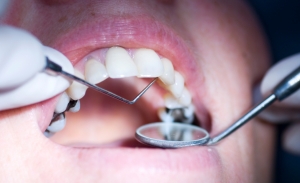
dental check upHere is yet another reason to consider getting tested for, and supplementing with Vitamin D3…I am re-printing a report released by the Orthomolecular Medical Society that discusses the connection between how much vitamin D3 you have in your body, and tooth decay, Alzheimer’s disease, respiratory infections, cancer, heart disease, diabetes and other ailments.  This is one of many essential nutrients that the body needs to function properly.   And it happens to be an inexpensive therapy that helps to prevent and  treat some of the most expensive diseases of our time like heart disease, cancer and diabetes. Vitamin D3 works synergistically with vitamin K and calcium to increase bone mineral density in women with osteoporosis. Some whole food sources include organic egg yolks, raw, organic butter (preferably from goat rather then cow), and cod liver oil.

Dr. G

Vitamin Deficiency Underlies Tooth Decay
Malnutrition Causes Much More than Dental Disease

Cavities and gum diseases are not often regarded as serious diseases, yet they are epidemic throughout our society, from the youngest of children to the oldest of senior citizens. Research more than suggests that the same good nutrition that prevents cavities and gum diseases may also prevent other illnesses.

Dental caries and gum pathology are frequently associated with serious chronic health problems. Multiple independent studies published after 1990 document this. Cavities are associated with poor mental health [1-4]. Elderly individuals with dementia or Alzheimer’s disease had an average of 7.8 teeth with fillings vs. an average of only 2.7 fillings for elderly individuals without dementia [1]. It is likely that the toxic heavy metal mercury, which makes up half of every amalgam filling, is a contributing factor.

A recent authoritative review showed a clear association between cavities and heart diseases [5]. More importantly, this same study showed that people with poor oral health, on average, lead shorter lives. The association between cavities and diabetes is also a subject of active, ongoing research [6-8]. Connections between heart disease, diabetes, and dental decay have been suspected for decades. Many of the scientists who called attention to this have proposed that diets high in sugar and refined carbohydrates were the common cause of these diseases [9-15].

Dental diseases, mental diseases, heart disease, infectious respiratory diseases, and heart disease are all at least partially caused by common failures in metabolism. Such failures are inevitable when there is a deficiency of essential nutrients, particularly vitamins D, C, and niacin.

There is especially strong evidence for a relationship between vitamin D deficiency and cavities. Dozens of studies were conducted in the 1930’s and 1940’s [16-27]. More than 90% of the studies concluded that supplementing children with vitamin D prevents cavities. Particularly impressive was a study published in 1941 demonstrated the preventative affect of “massive” doses of vitamin D [28]. And yet no subsequent studies in the scientific literature suggested a need to follow up and repeat this work.

Vitamin D deficiency is linked to respiratory infections, cancer, heart disease, diabetes and other ailments [29]. The evidence for vitamin C was reviewed by Linus Pauling [15], and the evidence for niacin was reviewed by Abram Hoffer [30].

Obtaining vitamins in sufficient doses to help prevent dental disease is safe and easily accomplished. Between 5,000 and 15,000 IU of vitamin D may be obtained from modest exposure to sunshine in the middle of the day. Recommending that people regularly use the capacity of their skin to make vitamin D is common sense. Certainly 1,000 to 2,000 IU per day of vitamin D in supplemental form is safe. 2,000 milligrams per day of vitamin C, and hundreds of milligrams per day of niacin, help prevent tooth and mouth troubles. Sick individuals, and those who are prone to cavities, will typically benefit by starting with higher doses of vitamin D, vitamin C, and niacin under the supervision of an orthomolecular physician.

We believe that individuals taking these nutrients, along with good dental care, will have dramatically fewer cavities and gum operations than individuals just getting good dental care. This idea is easily tested, and the time has come to do so.

References:

[1] B Ellefsen; P Holm-Pedersen; D E Morse; M. Schroll; B. Andersen; G. Waldemar. Caries Prevalence in Older Persons with and without Dementia. Journal of the American Geriatrics Society, Volume 56, Number 1, January 2008, 59-67(9).
[2] J M Chalmers, K D Carter, A J Spencer. Caries incidence and increments in community-living older adults with and without dementia. Australian Research Center for Population Oral Health, Dental School, The University of Adelaide, Adelaide 5005, Australia. Gerodontology Volume 19 Issue 2, 80 – 94.
[3] Friedlander, A.H.; Mahler, M.E. Major depressive disorder psychopathology, medical management and dental implications. Graduate Medical Education, Veterans Affairs Greater Los Angeles Healthcare System (14), Los Angeles, CA, USA. Journal of the American Dental Association (2001), 132(5), 629-638.
[4] Stewart, R.; et. al. Oral Health and Cognitive Function in the Third National Health and Nutrition Examination Survey (NHANES III), Psychosomatic Medicine 70:936-941 (2008).
[5] Meurman, J.H.; Sanz, M.;Janket, S. Oral infection and vascular disease. Institute of Dentistry, University of Helsinki, Finland. Vascular Disease Prevention (2007), 4(4), 260-267.
[6] Touger-Decker R, Sirois D A, Vernillo A T. Diabetes mellitus: Nutrition and oral health relationships. Department of Primary Care, School of Health-Related Professions, University of Medicine and Dentistry of New Jersey, Newark, NJ, USA. Editor(s): Touger-Decker, Riva. Nutrition and Oral Medicine (2005), 185-204.
[7] Diaz-Romero, R.; Casanova-Roman, R.; Beltran-Zuniga, M; Belmont-Padilla, J.; Mendez, J.; Avila-Rosas, H.. Oral Infections and Glycemic Control in Pregnant Type 2 Diabetics. Instituto Nacional de Perinatologia, Mexico City, Mex. Archives of Medical Research (2005), 36(1), 42-48.
[8] Twetman, S.; Johansson, I.; Birkhed, D.; Nederfors, T. Caries incidence in young type 1 diabetes mellitus patients in relation to metabolic control and caries-associated risk factors. Caries Research (2002), 36(1), 31-35.
[9] Bommer, S. Diseases of civilization and nutrition. Ernaehrungsforschung (1963), 7 598-612.
[10] Miler-Sosnkowska, M. Role of dietary carbohydrates in relation to their metabolism. Inst. Zywienia Czlowieka, Akad. Roln., Warsaw, Pol. Postepy Higieny i Medycyny Doswiadczalnej (1975), 29(4), 537-55.
[11] Cremer, H.D.; Eyer, H. Carbohydrates. Inst. Ernaehrungswiss. I, Univ. Giessen, Giessen, Fed. Rep. Ger. Ernaehrungs-Umschau (1975), 22(10), 291-3.
[12] Newberne, P.M.. Nutrition: summary of evidence. Sweeteners: Issues, uncertainties. Acad. Forum, 4th (1975), 76-85, 252-3.
[13] Heraud, G. Sucrose and nutritional pathology. Sucrerie Francaise (1979), 120(24), 21-6.
[14] Nuttall, F.Q.; Gannon, M.C.. Sucrose and disease. Diabetes Care (1981), 4(2), 305-10.
[15] Pauling, L. “How to Live Longer and Feel Better.” W.H. Freeman and Company, 1986. Revised 2006, Oregon State University Press. http://oregonstate.edu/dept/press/g-h/LiveLonger.html
[16] Tisdall, F.F. The effect of nutrition on the primary teeth. Child Development (1937) 8(1), 102-4.
[17] McBeath, E.C. Nutrition and diet in relation to preventive dentistry. NY J. Dentistry (1938) 8; 17-21.
[17] McBeath, E.C.; Zucker, T.F. Role of vitamin D in the control of dental caries in children. Journal of Nutrition (1938) 15; 547-64.
[19] East, B. R. Nutrition and dental caries. American Journal of Public Health 1938. 28; 72-6.
[20] Mellanby, M. The role of nutrition as a factor in resistance to dental caries. British Dental Journal (1937), 62; 241-52.
[21] His Majesty’s Stationery Office, London. The influence of diet on caries in children’s teeth. Report of the Committee for the Investigation of Dental Disease (1936).
[22] McBeath, F.C. Vitamin D studies, 1933-1934. American Journal of Public Health (1934), 24 1028-30.
[23] Anderson, P. G.; Williams, C. H. M.; Halderson, H.; Summerfeldt, C.; Agnew, R. Influence of vitamin D in the prevention of dental caries. Journal of the American Dental Association (1934) 21; 1349-66.
[24] Day, C. D.; Sedwick, H. J. Fat-soluble vitamins and dental caries in children. Journal of Nutrition (1934) 8; 309-28.
[25] Agnew, M. C.; Agnew, R. G.; Tisdall, F. F. The production and prevention of dental caries. Journal of the American Dental Association, JADA (1933) 20; 193-212.
[26] Bennett, N. G.; et al. The influence of diet on caries in children’s teeth. Special Report Series – Medical Research Council, UK (1931) No. 159, 19.
[27] Mellanby, M.; Pattison, C. L. The influence of a cereal-free diet rich in vitamin D and calcium on dental caries in children. British Medical Journal (1932) I 507-10.
[28] Brodsky, R. H.; Schick, B.; Vollmer, H.. Prevention of dental caries by massive doses of vitamin D. American Journal of Diseases of Children (1941) 62; 1183-7.
[29] http://www.vitamindcouncil.org/
[30] Hoffer A, Saul AW. Orthomolecular Medicine for Everyone. Laguna Beach, California, Basic Health Pub, 2008. http://www.doctoryourself.com/orthomolecular.html


Vitamin D Deficiency Causes Teen Health Challenges

March 16, 2009

A new study done at Johns Hopkins Bloomberg School of Public Health reveals even more data on the association between Vitamin D deficiency and health. In this case, researchers studied approximately 3,600 boys and girls ages 12 to 19 who took part in a government health survey from 2001 to 2004.

The teenage boys and girls with the lowest levels of Vitamin D in their blood were twice as likely to develop high blood pressure and high blood sugar.  Even more alarming, the teens with the lowest levels of Vitamin D in their blood were four times as likely to develop metabolic syndrome. This syndrome is characterized by a triad of conditions, namely high blood pressure, high blood sugar levels and high cholesterol, that are associated with diabetes and heart disease.  Metabolic syndrome patients also tend to store fat around their midsection.  This condition is closely related to stress and Sickness Syndrome.   Most of the patients that I treat for Sickness Syndrome Depression and stress-related illness inevitably have low levels of vitamin D in their blood.  This makes sense given that a key source for vitamin D is exposure to the sun, and lack of exposure to the sun will, in many people, lead to depression and inflammation.

In our office, we test the blood for Vitamin D3, which is the active form of the vitamin.  And oftentimes if a patient has inflammation, metabolic syndrome, high cholesterol, high blood pressure, or Sickness Syndrome, then Vitamin D3 testing and treatment becomes part of their path to optimal health.

If this is a topic of interest to you, please read previous posts on vitamin D3.

In health,

Dr. Gina


Your Body Has the Ability to Heal Itself

January 26, 2009

painLast week I was interviewed for an upcoming PBS Series on Naturopathic Medicine. The topic was chronic pain. Throughout the interview I found myself repeating the notion that “the body has the ability to heal itself,” provided you give it what it needs and you remove the barriers to cure.  What the body needs can range from a particular combination of nutrients, herbs, and natural hormones, to more positive emotions.  Some of the most prevalent “barriers to cure” that I see in my  practice are stress, food allergies, and toxin overload.

Most people suffering with chronic pain are handed a prescription for pain killers and muscle relaxants and/or advised to get psychological help.  The Naturopathic approach to chronic pain involves identifying the cause of the pain; be it emotional, physical, stress-related, toxin-related or hormone-related. Then treatment is individualized to suit the patients’ unique situation. No two treatment protocols are the same.  My experience has been that by addressing the cause of the chronic pain at the emotional, mental and physical levels brings about the most successful long term results and allows for freedom of movement and a pain-free life.

The most important message here is that if you are experiencing chronic pain, you do not need to suffer.  There is a way to find relief. One of the best ways to find that relief is by addressing the underlying cause(s) of the pain rather then chronically masking the symptoms with medication…and allowing your own body, in its innate wisdom, to heal itself.

In health,

Dr. Gina


Is the Flu Shot Necessary & Should it be Required?

December 2, 2008

vaccine_vialI received an interesting email from a woman concerned about the flu vaccine who is being required to receive the vaccine at her workplace. I am including the email in its entirety here:

“I work for an employer that requires all employees to receive the flu vaccine or flu mist. I have never had one, am very healthy, and try to use natural remedies instead of drugs. Both the shot and mist concern me – side effects and the unknown. I would prefer not to take the risk at all, but am required to if I want to stay employed. I work at a Medical center and they consider it a good marketing tool to claim all their employees receive the flu shot. What would be the best of the 2 (flu shot or mist)? If I take the flu mist – can I somehow rid myself of it afterwards – with a nasal wash of some kind? Thank you”

It is alarming that anyone would be required to receive a flu vaccine in order to maintain a job.  The flu vaccine does not protect against all strains of the flu virus, and there are other ways to support the immune system during the cold and flu season, that do not have potential side effects that are part and parcel with receiving vaccinations. There is mounting evidence that the flu vaccine is simply not an intelligent option for protecting you during the cold and flu season.

Some of the most valuable tools I use in practice to support immune function are:

Vitamin D3 (after testing blood levels of Vitamin D3)

Allimed

Oregacillin

LTP Probiotic Blend

Echincaea Goldenseal Supreme

Whole Body Defense

ITI Greens mixed with LTP Green Light

and Coconut Milk Powder

When you click on the above links, you will be taken to more information for you to read about the benefits specific for each of these recommendations.

Please feel free to chime in on your personal thoughts and concerns regarding the flu vaccine.

In health,

Dr. G


Vitamin D Therapy Halts Cancer Growth and Supports Immune Function

November 21, 2008

An excellent summary of the research supporting the use of Vitamin D3 therapy as a treatment for specific cancers and for compromised immune function was recently released by the Orthomolecular Medicine Society. I am including the report in full below.  Take note of the historical use of this simple, inexpensive nutrient and of the recent research also supporting its use.  Sometimes the simple treatments are the most profound. I test the blood for Vitamin D3 levels and almost always find low levels associated with cancer and chronic fatigue syndrome.  In general I recommend 3,000 IU of Vitamin D3 per day to support optimal immune function. Exposure to sunshine every day is one of the best ways to keep your vitamin D levels in a healthyistock_000006439150small1 range however, practicing in Laguna Beach, CA where there are more sunny days than not, I still find that the majority of my patients are deficient in this nutrient/hormone, even those that are outside for at least 30 minutes per day.

In health,

Dr. G

Vitamin D Stops Cancer; Cuts Risk In Half American Cancer Society Drags its Feet

(OMNS, October 2, 2008) A new study of 3,299 persons has shown that those with higher levels of vitamin D cut their risk of dying from cancer in half. (1) Another recent study shows that ample intake of vitamin D, about 2,000 IU per day, can cut breast cancer incidence by half. (2) Still more research found that inadequate Vitamin D is “associated with high incidence rates of colorectal cancer” and specifically urges that “prompt public health action is needed to increase intake of Vitamin D-3 to 1000 IU/day.” (3)

Vitamin D’s anticancer properties are so evident, and so important, that the Canadian Cancer Society now recommends supplementation with 1,000 IU of Vitamin D per day for all adults in winter, and year-round for persons at risk. (4)

The American Cancer Society, however, is dragging its feet, still maintaining that “More research is needed to define the best levels of intake and blood levels of vitamin D for cancer risk reduction.” (5)

What is taking them so long?

Researchers in 2006 noted that “The evidence suggests that efforts to improve vitamin D status, for example by vitamin D supplementation, could reduce cancer incidence and mortality at low cost, with few or no adverse effects.” (6)

If you search the US National Institutes of Health’s Medline online database for “cancer vitamin D,” you will find over five thousand papers. . . some dating back nearly 60 years.

It’s true: physician reports on vitamin D stopping cancer have been ignored for decades. In 1951, T. Desmonts reported that vitamin D treatment was effective against Hodgkin’s disease (a cancer of the lymphatic system). (7) That same year, 57 years ago, massive doses of vitamin D were also observed to improve epithelioma. (8) In 1955, skin cancer was again reported as cured with vitamin D treatment. (9) In 1963, there was a promising investigation done on vitamin D and breast cancer. (10) Then, in 1964, vitamin D was found to be effective against lymph nodal reticulosarcoma, a non-Hodgkin’s lymphatic cancer. (11)

The American Cancer Society has been obsessed with finding a drug cure for cancer. Pharmaceutical researchers are not looking for a vitamin cure. And when one is presented, as independent investigators and physicians have continuously been doing since 1951, it is ignored.

No longer. Michael Holick, MD, Boston University Professor of Medicine, has come right out and said it: “We can reduce cancer risk by 30 to 50% by increasing vitamin D. We gave mice colon cancer, and followed them for 20 days. Tumor growth was markedly reduced simply by having vitamin D in the diet. There was a 40% reduction in tumor size. And, casual sun exposure actually decreases your risk of melanoma. Everyone needs 1,000 IU of vitamin D3 each day.” (12)

What about safety? Yes, it is possible to get too much vitamin D, but it is not easy. “One man took one million IU of vitamin D per day, orally, for six months, “says Dr Holick. “Of course, he had the symptoms of severe vitamin D intoxication. His treatment was hydration (lots of water), and no more vitamin D or sunshine for a while. He’s perfectly happy and healthy. This was published in the New England Journal of Medicine.(13) I have no experience of anyone dying from vitamin exposure. In thirty years, I’ve never seen it.”

There are, of course, some reasonable cautions with its use. Persons with hyperparathyroidism, lymphoma, lupus erythematosus, tuberculosis, sarcoidosis, kidney disease, or those taking digitalis, calcium channel-blockers, or thiazide diuretics, should have physician supervision before and while taking extra vitamin D. And when employing large doses of vitamin D, periodic testing is advisable.

But 1,000 IU per day of vitamin D is simple and safe. Some authorities recommend much more. (14, 15) The American Cancer Society recommends less.

What a shame.

References:

(1) Pilz S, Dobnig H, Winklhofer-Roob B et al. Low serum levels of 25-hydroxyvitamin D predict fatal cancer in patients referred to coronary angiography. Cancer Epidemiol Biomarkers Prev. 2008 May;17(5):1228-33. Epub 2008 May 7.

(2) Garland CF, Gorham ED, Mohr SB et al. Vitamin D and prevention of breast cancer: pooled analysis. J Steroid Biochem Mol Biol, 2007. Mar;103(3-5):708-11.

(3) Gorham ED, Garland CF, Garland FC, Grant WB, Mohr SB, Lipkin M, Newmark HL, Giovannucci E, Wei M, Holick MF. Vitamin D and prevention of colorectal cancer. J Steroid Biochem Mol Biol. 2005 Oct;97(1-2):179-94.

(4) http://www.cancer.ca/Canada-wide/About%20us/Media%20centre/CW-Media%20releases/CW-2007/Canadian%20Cancer%20Society%20Announces%20Vitamin%20D%20Recommendation.aspx?sc_lang=en

(5) http://www.cancer.org/docroot/PED/content/PED_3_2X_Diet_and_Activity_Factors_That_Affect_Risks.asp Accessed Aug 29, 2008.

(6) Garland CF, Garland FC, Gorham ED, Lipkin M, Newmark H, Mohr SB, Holick MF. The role of vitamin D in cancer prevention. Am J Public Health. 2006 Feb;96(2):252-61.

(7) Desmonts T, Duclos M, Dalmau. [Favorable effect of vitamin D on the evolution of a case of Hodgkin’s disease.] Sang. 1951;22(1):74-5. And: DESMONTS T. [Favorable action of vitamin D in leukemic erythroderma and Hodgkin’s disease.] Pathol Gen. 1951 Mar;51(326):161-4. Also: VACCARI R. [Vitamin D2 and experimental carcinogenesis.] Boll Soc Ital Biol Sper. 1952 Aug-Oct;28(8-10):1567-9.

(8) Sainz de Aja Ea. [Case of an epithelioma in a patient treated with massive doses of vitamin D.] Actas Dermosifiliogr. 1951 Nov;43(2):169-70.

(9) Linser P. [Spontaneous cure of skin carcinoma by vitamin D treatment.] Dermatol Wochenschr. 1955;132(40):1072-3. German.

(10) Gordan GS, Schachter D. Vitamin D activity of normal and neoplastic human breast tissue. Proc Soc Exp Biol Med. 1963 Jul;113:760-1.

(11) Desmonts T, Blin J. [Action of Vitamin D3 on the course of a lymph nodal reticulosarcoma.] Rev Pathol Gen Physiol Clin. 1964 Mar;64:137. French.

(12) Andrew W. Saul Interviews Michael F. Holick, MD, PhD. http://www.doctoryourself.com/holick.html

(13) Koutkia P, Chen TC, Holick MF. Vitamin D intoxication associated with an over-the-counter supplement. N Engl J Med. 2001 Jul 5;345(1):66-7.

(14) Vitamin D Boosts Health, Cuts Cancer Risk in Half. Orthomolecular Medicine News Service, October 3, 2007. http://orthomolecular.org/resources/omns/v03n06.shtml

(15) Doctors Say, Raise the RDAs Now. Orthomolecular Medicine News Service, October 30, 2007. http://orthomolecular.org/resources/omns/v03n10.shtml

For more information:

Saul AW. Vitamin D: Deficiency, diversity and dosage. J Orthomolecular Med, 2003. Vol 18, No 3 and 4, p 194-204. http://www.doctoryourself.com/dvitamin.htm

Online access to free archive of nutritionalmedicine journal papers: http://orthomolecular.org/library/jom/

A free, non-commercial vitamin D newsletter is available from John Cannell, M.D., and the Vitamin D Council: http://www.vitamindcouncil.org

Sunlight, Nutrition And Health Research Center: http://www.sunarc.org

Nutritional Medicine is Orthomolecular Medicine

Orthomolecular medicine uses safe, effective nutritional therapy to fight illness. For more information: http://www.orthomolecular.org

The peer-reviewed OrthomolecularMedicine News Service is a non-profit and non-commercial informational resource.

Editorial Review Board:

Damien Downing, M.D.
Harold D. Foster, Ph.D.
Steve Hickey, Ph.D.
Abram Hoffer, M.D., Ph.D.
James A. Jackson, PhD
Bo H. Jonsson, MD, Ph.D
Thomas Levy, M.D., J.D.
Erik Paterson, M.D.
Gert E. Shuitemaker, Ph.D.

Andrew W. Saul, Ph.D., Editor and contact person. Email: omns@orthomolecular.org


Antioxidants can Protect the Body from Heavy Metal Toxicity

November 10, 2008

A new research study just published in Food and Chemical Toxicology points to the potential benefit of antioxidant therapy as a way to prevent and treat lead toxicity. This study was done on mice, and demonstrated that the underlying cause of lead toxicity is the production of free radicals that causes cellular damage.  Antioxidant therapy is an effective way to neutralize free radicals and potentially protect or treat the body from the damaging effects of heavy metals like lead.  The same mechanism holds true for other toxic metals including mercury, cadmium and arsenic.

This makes a lot of sense since free radicals tend to congregate within the mitochondria (the powerhouse of the cell) where the DNA is also housed.  Hence free radicals lead to DNA or genetic damage.  Antioxidants bind to free radicals and render them inactive so that they cannot damage the most vulnerable areas within the cell.

fruits_and_vegetables2

One of my favorite combinations for optimizing antioxidant status in the body is one scoop of ITI greens mixed with one heaping tablespoon of LTP Green Light in about 8 oz of water.  This   combination provides antioxidants in their most bio-available, potent and effective form, as designed by nature in its infinite brilliance – whole foods.  These green products also bind to toxins within the body and pull them out of stored tissues, oxygenates the blood, and are a critical foundational element to overall health and vitality.

I believe that everyone will benefit from taking steps daily to remove heavy metals from their system and to optimize their antioxidant capacity through whole, organic green foods.  I also recommend a 3 week systemic cleanse, at least two times per year to optimize your health and feel energized to fulfill your purpose(s) in Life.

In Health,

Dr. G


More Internet Time, Less Sleep and More Alcohol are Causes of Weight Gain in Adolescent Females

November 7, 2008

skinny-girl-with-tape-measure1

A research study published in the Journal of Pediatrics followed over 5,000 girls aged 14-21 from around the United States to see if there were any correlations between alcohol consumption, internet usage, coffee (with caffeine) intake, sleep and increases in body mass index.  Females, aged 18+ years who slept less than or equal to five hours per night or who drank 2 or more alcoholic beverages per week gained an average of 4 extra pounds over 1 year. And these behaviors were highly correlated with internet use.

What this study, and others like it, reveals is that older girls will benefit from replacing recreational Internet time with sleep and by avoiding alcohol. I also recommend that women in this age group consume a high potency multivitamin complex, essential fatty acids, and take in adequate amounts of quality protein each day.  All of these components will help their developing bodies to handle stress in a healthy way, which will translate into a healthy weight and will prevent unnecessary pounds from creeping in!

In health,

Dr. G


Beyond Thyroid Medication

November 6, 2008

Dead Tired

A number of my patients come into my office with a low functioning thyroid gland.  Typically they have symptoms including fatigue, weight gain that is difficult to overcome, thinning hair and mental “fog.” Nine times out of ten they have been prescribed Synthroid.  I will often re-test their blood levels of Thyroid Stimulating Hormone (TSH, T3 [active thyroid]) and TPO.  Additionally we have a medical test in our office called Thyroflex that tests the actual functioning of the thyroid gland.  I will then often switch my patients from Synthroid to Westhroid which is a natural alternative. One product I find beneficial for my patients who are not responding well to prescription Westhroid or who need additional support is Thyroid Support by Gaia Herbs.

I also find that patients with hypothyroid symptoms tend to have a vitamin B12 and iron deficiency, which is verified through blood tests we perform in our office.  Once that is treated, patients truly begin to feel better and their energy level, clarity of thought, and weight loss efforts dramatically improve.

And finally, for those patients that still do not feel fabulous after addressing thyroid function, I take a look at adrenal gland function and will test cortisol and DHEA levels in saliva to find out if the adrenal glands are playing a role, because adrenal gland function and thyroid function are interrelated.

In health,

Dr. G


FDA Urged to Recall Over-the-Counter Children’s Cough & Cold Medicines

October 3, 2008

Pediatricians are urging the Food and Drug Administration to recall cough and cold medications sold over the counter that are marketed to children under 6 years of age.  The evidence shows that these medicines are not effective and can actually be harmful to children.  According to market research firm Nielson Co., families spend at least $286 million dollar per year on these questionable products.

Big business need not get in the way of protecting the health and well-being of children who depend upon adults for their care.

If you would like to try a natural and effective way to boost your child’s immune system, I use and recommend the following for my patients: Berry Well Immune Support, Coconut Milk Powder with Probiotic Blend and HP Multi-Vitamin Complex.

Some capsule supplements, such as Probiotic Blend and HP Multi-Vitamin Complex, mentioned above, can be added by simply opening the capsules and empty the powder into your child’s favorite beverage.  For strong immune support I use Oregacillin and Allimed.

In health,

Dr. Gina


Healthy Mothers, Healthy Babies

September 23, 2008

There is a new coalition that has been formed that is committed to educating brides-to-be about the importance of nutrition for moms, even before they get pregnant.  The “Commitment Project” is an initiative designed to encourage brides-to-be to make a vow of health to their future children.  They commit to taking a daily multivitamin with 400 micrograms (mcg) of folic acid, an essential B-vitamin that helps build and maintain healthy cells, particularly in developing fetuses.

This is a true gift to our future generation who will need all of the support they can get, as they face a world with more environmental toxins, less-nutritious food, and more stress.  Nutrition during pregnancy makes a huge difference in the health and vitality of infants.  Things like Vitamin D, folic acid and a comprehensive multi are powerful supporters of a healthy pregnancy, for mom and baby.

In my medical practice, women who are thinking about getting pregnant or are already pregnant receive a foundational nutrition plan that includes high quality essential fats, prenatal vitamins, vitamin D3, coconut power (for immune support), quality protein and chlorophyll-rich greens.

Healthy children will make for a healthier planet.

Dr. G