Organic Produce Under Attack

August 20, 2009

Seattle Farmers MarketA recent review by the UK Foods Standards Agency came out claiming that organic foods are no better than the less expensive conventionally grown foods.   A closer look at that review reveals some truths underlying the growing media attention and debate over whether or not organic foods are worth the extra buck. I am re-printing an excellent post on this topic  by Tom Philpott who farms and cooks at Maverick Farms, a sustainable-agriculture nonprofit and small farm in the Blue Ridge Mountains of North Carolina.

One of the key messages I received while researching this topic is that organic foods consistently contain a higher level of tertiary, phytochemicals then conventionally grown foods. These phytochemicals (e.g. resveratrol, chlorophyll, glucosinolates) hold as much, if not more promise for preventing and treating disease then the basic nutritional compounds that are used to test the benefit of one food over another.

In health,

Dr. Gina

A bit of nitrogen with those veggies?

Tom Philpott

A recent literature review by the U.K. Food Standards Agency concluded that organic foods offer no nutritional advantages to ones grown with conventional chemical agriculture.   The report quickly bounced around the media and the internet and has congealed into received wisdom. For example, in a recent chat with readers, Washington Post food politics columnist (and general policy writer) Ezra Klein engaged in the following exchange:

Santa Fe, N.M.: I saw a report today on a study finding that organic food isn’t any healthier than conventional food. Is buying organic a waste of money, in your opinion? Read the rest of this entry »


Chemicals in your Cosmetics

July 1, 2009

cosmeticsI am always amazed when I read the fine print on the ingredient labels of cosmetics, even some of the natural ones.  The skin is our largest detoxification organ and what we put on it affects how well our body is able to remove the burden of exposure to chemicals in the environment. In that spirit, I am including an article below written about this topic that offers resources on where to go to find out what chemicals are in your cosmetics and where to turn for cosmetics that are safe and nourishing to your skin.

In health,

Dr. G


Chemicals in your Cosmetics
by Dr. Gina Nick

It’s 7 AM, and time to get ready for your workday. First, touch up your nails with ethyl methacrylate and then line your lids with chromium hydroxide green. Brush some titanium dioxide across your cheekbones, pizzazz your pucker with some D&C Red No. 27 (the pearly effect courtesy of bismuth oxychloride) and you’re good to go!

Or are you? While your appearance may be great, behind the scenes there is a chemical war being waged on your body, courtesy of all the health and beauty aids you sprayed, rubbed, brushed and rolled on. Choosing makeup involves more than selecting the right shade and formulations for your skin color and type. You also want cosmetics that won’t have a negative impact on your body.

What’s in your makeup?
According to the Cosmetic Ingredient Review (CIR), (established in 1976 by the Cosmetic, Toiletry & Fragrance Association with support of the U.S. Food & Drug Administration and the Consumer Federation of America.), chemicals used in cosmetics fall into four main categories[i]: ingredients found safe , ingredients found safe with qualifications, ingredients for which there are insufficient data and ingredients found unsafe.

However, critics of the findings have pointed out that there may be flaws in some of the research. For example, the decision to categorize phthalates (which, according to research mimics estrogen in the body-which is implicated in hormone-specific cancers and conditions such as PMS, premature menopause and infertility) as safe for cosmetic formulations overlooks information gaps, according to the Environmental Working Group. These include[ii]:

• The failure to establish a NOEL [No Observed Effects Level] for the male-specific reproductive side effects of the phthalate DBP.

• The failure to determine the amounts of DBP that are absorbed in people’s bodies from cosmetics.

• The failure to determine the full range of products that include DBP (among them, deodorant, hair spray, and fragrances)

Phthalates aren’t the only chemicals that are under fire. Breast tumor tissue has shown estrogenic industrial chemicals called parabens, and, noted the Environmental Working Group (EWG), even the hormone systems in wildlife have been disrupted thanks to common water pollutants such as personal care products that enter the water system by way of your bathroom drain.[iii]

Surprising enough, except for cosmetics containing color additives, cosmetic manufacturers do not need to gain FDA premarket approval before putting their product on the shelves. Instead, they are expected to authenticate “the safety of their products and ingredients before marketing,” says Safe Cosmetics[v] — rather like asking the fox to check the performance of the lock on the hen house door.

With at least 25 percent of women and one out of every 100 men using at least 15 products daily (according to the EWG 2004 product use survey), this adds up to quite a lot of chemicals being applied to our skin (and possibly ingested into our body) in a 24-hour time period![vi]

What you can do
So what is the solution? Do you cross your fingers and hope for the best each time you apply blush or nail polish, roll on deodorant, highlight your hair or chemically de-fuzz your legs? Or do you avoid the risk and go au naturel?
Strike a balance between the two extremes by following these tips:

1. Read the labels. While the multi-syllabic chemical recipe might look overwhelming at first glance, reviewing the components at a database such as http://www.deancoleman.com/cosmetics.htm or http://www.smartskincare.com/ingredients/glossary is the first stage of your “Cosmetic Chemical Class.” Also check for a “Warning Label” that would indicate any health hazards associated with the product.[vii] The label (or packaging) will also alert you to products that are “past their prime.” At Aubrey Organics you can find a list of 10 synthetic cosmetic ingredients to avoid. Your local health food store is another great place to check out labels of “better for you” cosmetics and body products.

2. Review product ratings. Don’t buy products based on advertisements, recommendations or out of habit. Sites such as The Campaign for Safe Cosmetics’ Skin Deep (a searchable product guide covering 14,838 products and the 7,084 ingredients that form them) will help you choose safer products for you and your family. [viii]

3. Understand “Cosmeceuticals.” Multi-tasking has entered the cosmetics industry with a myriad of products that purportedly not only make you look better but actually improve your skin by virtue of addition of active ingredients such as alpha hydroxy acids and vitamins. Some research, particularly on topical vitamin C, certainly demonstrates benefit with regard to cell regeneration and cancer prevention. However, some experts have voiced concern that there has been a lack of clinical trials measuring their effectiveness and overall safety. [ix]

4. Support your body’s natural detoxification mechanisms. On a daily basis, your system is exposed to a variety of toxins and environmental attacks. Give it a boost by eating broccoli, radishes, and green vegetables and drinking fresh vegetable juice or wheatgrass juice. Focus on exercises that encourage deep breathing (such as yoga) and consider a trip to an infrared sauna to “sweat out” the toxins.

Here are a list of companies that offer safer options for your skin:

Product Recommendations

Aubrey Organics (http://www.aubrey-organics.com/)

Aztec Secret

Certain Dri

Chandrika

Crystal Body Deodorant

Jurlique (http://www.jurlique.com)

Longview Farms

Natra Bio

Simplers Botanical Company

Valhalla Essences

Weleda (a personal favorite)

References:

[i] http://www.cir-safety.org/findings.shtml

[ii] http://www.ewg.org/issues/cosmetics/20021119_panelmtg.php

[iii] http://www.ewg.org/reports/skindeep2/info_why.php

[v] http://www.safecosmetics.org/about/policies.cfm

[vi] http://www.ewg.org/reports/skindeep2/info_why.php

[vii] http://www.cfsan.fda.gov/%7Elrd/cfr740.html

[viii] http://www.safecosmetics.org/your_health/skindeep.cfm

[ix] http://en.wikipedia.org/wiki/Cosmeceutical


Dr. Gina’s New Organic Vegan Smoothie Recipe

March 17, 2009

I’d like to share a new recipe with you that I have come up with that offers all around immune, digestive, antioxidant, and detoxification support. This is my new morning smoothie regimen. And it takes about 1 minute to make!

Here it is:

  • 2 scoops of Intestinal RejuvenX
  • 1 heaping tablespoon LTP Green Light
  • 1 heaping tablespoon LTP Organic Reds
  • 1/2 – 1 cups frozen fruit (banana, blueberries, etc.)
  • ice and cold water

Blend together to desired consistency and enjoy!

*** You can call the office to order any of these products as they are all stocked in our medicinary. Just mention you’d like the “new smoothie” products.

In joy, and in health,

Dr. Gina


Your Body Has the Ability to Heal Itself

January 26, 2009

painLast week I was interviewed for an upcoming PBS Series on Naturopathic Medicine. The topic was chronic pain. Throughout the interview I found myself repeating the notion that “the body has the ability to heal itself,” provided you give it what it needs and you remove the barriers to cure.  What the body needs can range from a particular combination of nutrients, herbs, and natural hormones, to more positive emotions.  Some of the most prevalent “barriers to cure” that I see in my  practice are stress, food allergies, and toxin overload.
Most people suffering with chronic pain are handed a prescription for pain killers and muscle relaxants and/or advised to get psychological help.  The Naturopathic approach to chronic pain involves identifying the cause of the pain; be it emotional, physical, stress-related, toxin-related or hormone-related. Then treatment is individualized to suit the patients’ unique situation. No two treatment protocols are the same.  My experience has been that by addressing the cause of the chronic pain at the emotional, mental and physical levels brings about the most successful long term results and allows for freedom of movement and a pain-free life.

The most important message here is that if you are experiencing chronic pain, you do not need to suffer.  There is a way to find relief. One of the best ways to find that relief is by addressing the underlying cause(s) of the pain rather then chronically masking the symptoms with medication…and allowing your own body, in its innate wisdom, to heal itself.

In health,

Dr. Gina


PBS Documentary on Naturopathic Medicine

January 12, 2009


PBS TO AIR DOCUMENTARY FOCUSING ON NATUROPATHIC MEDICINE FEATURING DR. GINA NICK

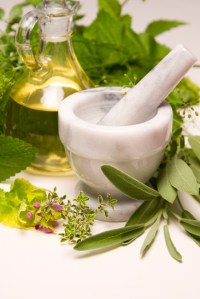
Windsor Broadcast Productions, well known for its long running PBS series American Health Journal is producing a documentary focusing on Naturopathic Medicine. The documentary will be comprised of seven 30 minute segments on such topics as Mental Health, Adult Allergies, ADD & ADHA. The documentary will initially run on PBS in the greater Orange County, California area sometime in March 2009 and is expected to reach a nationwide audience later in the year.herbs2

One of the segments features Dr. Gina Nick and her naturopathic approach to dealing with Chronic Pain.

Some of the key messages highlighted throughout the series are:

* Naturopathic Doctors are trustworthy, credible, and a qualified choice for healthcare

* Naturopathic medicine offers a continuum of care

* Naturopathic medicine is the “new norm” for health and healthcare

* Naturopathic doctors believe in the power of the human being to regain greater health

Dr. Nick and LTP Natural Medical Center specialize in the prevention of dis-ease, optimizing overall health and providing a sense of well being.

Knowledge is power. LTP Natural Medical Center hopes you will tune-in to this very exciting documentary series and empower yourself with knowledge about the natural approach to your health.


Can Breast Cancer Go Away on its Own? Does Mammography Contribute to Breast Cancer Risk? Where is the Balance Point?

December 8, 2008

mamogramA compelling new research study published in The Archives of Internal Medicine this week confirms what some physicians have suspected and seen in their practice for years – breast cancer and other invasive cancers, can in some cases, heal on their own without intervention. The study also raises suspicion regarding the safety of annual mammograms and whether they contribute to the increased incidence of breast cancer.

The study compared two groups of women ages 50 to 64 in two consecutive six-year periods. One group of 109,784 women were followed from 1992 to 1997. Nearly all the women in this group received mammography testing for one year only, from 1996 to 1997.

The second group included approximately 119,472 women that were followed from 1996 to 2001 and nearly all women received regular, routine mammography screening during that period.

Interestingly, the women who had regular routine mammography screenings had 22 percent more cancers. For every 100,000 women who were screened regularly, 1,909 were diagnosed with invasive breast cancer over six years, compared with 1,564 women who did not have regular screenings.

The researchers have concluded that the most likely explanation for this discrepancy is that the cancers in the women who did not get regular mammography screenings spontaneously disappeared so that they had cancer at one point and later they no longer had the cancer.

Another theory, currently being discredited but worth mentioning and further exploration, is that the routine mammography may have contributed to the increased incidence of invasive breast cancers that were diagnosed.

Nature provides many options to assist the body in remaining balanced, even when exposed to cancer-causing chemicals in our environment, including xenoestrogens.  In the future detoxification, hormone balance and limiting exposure to toxins whenever possible, will be a necessity rather then a luxury.  To learn more about the connection between toxins, cancer and what you can do to safeguard your health, click here.

To learn more about the research supporting the use of detoxification as a way to prevent and treat health conditions click here.

A general recommendation for my patients is they undergo a comprehensive 21 day systemic cleanse twice per year, and support detoxification daily between cleanses.

In light of this new research, we must begin to ask the question, are we over-diagnosing and over-treating cancer? Does the pendulum need to swing toward a more balanced place where we begin to demonstrate true integration of natural health care and prevention coupled with conventional diagnoses and treatment for cancer.

In the spirit of providing change in the lives of those who seek health & balance,

Dr. G


A Quality Naturopathic Infant Formula

November 18, 2008

When it comes to feeding a newborn, few will argue that breast milk is best.  However, there are times when this is not possible or not indicated.  There are also higher levels of toxic chemicals in breast milk, and the impact of these toxic chemicals on the development of a breast-fed child is unknown.  Chemicals such as the organochlorine pesticide DDT, dioxins, polychlorinated dibenzfurans, and polychlorinated biphenyls all accumulate in breast milk. Mothers can limit exposure of these chemicals to their nursing baby by avoiding dry cleaners and not wearing clothes that are dry cleaned,  and limiting their intake of red meat, dairy (such as yogurt, cow’s milk and cheese), and fish, and eating a diet rich in organic fresh fruits and vegetables and safer proteins like tempeh, turkey and organic chicken and eggs.

Following is a naturopathic infant formula recipe that I use with my patients, particularly those that are currently formula fed and are presenting with digestive and skin-related conditions. Simply switching to this formula oftentimes resolves colic and skin rashes of unknown origin.

In the spirit of providing change for our children’s lives,

Dr. Gistock_000003158746small

***LTP Natural Medical Center’s Infant Goats Milk Formula using MEYENBERG Instant POWDERED GOAT MILK***
6 Scoops Powdered Goat Milk (84 grams)
36 oz Water
6.5 Tbs. Rice Syrup
1 capsule of LTP Probiotic Blend
1 tablespoon of Coconut Milk Powder

As baby matures during its first year, gradually increase goat milk powder to 8 scoops. Discontinue adding rice syrup (carbohydrates).

***Supplement with ChildLife Essential’s Liquid Multi Vitamin Mineral Supplement (or another high quality infant liquid multivitamin mineral supplement with vitamin D3).

Dosage Schedule:

  • Up to 6 months of age: ½ teaspoon per day
  • Up to 1 year of age: 1 teaspoon per day
  • Ages 1 to 4 years: 1-2 teaspoons per day
  • Ages 4 to 12 years: 2-3 teaspoons per day

Copyright 2008. Dr. Gina L. Nick. All rights reserved.


Toxic Chemicals in our Hospitals

November 14, 2008

A hopeful new report entitled “Taking Toxics out of Maryland’s Health Care Sector: transition to Green Pest Management Practices to Protect Health and the Environment” was recently published by the Maryland Pesticide Network and Beyond Pesticides, in collaboration with Maryland Hospitals for a Healthy Environment.

The report discusses the results of a statewide survey that revealed a general reliance on toxic pesticides at Maryland Hospitals and elder care facilities.  There were 25 pesticides identified by the survey that are used at these facilities. And of these, 11 the cockroachare linked to cancer, 12 are associated with neurological effects, 10 are associated reproductive harm, 5 cause birth or developmental defects, 10 cause liver and kidney damage, and 6 are suspected endocrine disruptors.

Pesticides are extremely toxic to the body and it does not make sense that they are being used in healthcare facilities. Even though they are classified as “safe” by the federal government, there is a compounding effect.  This means that if you were only exposed to a “safe” dose of a single pesticide, and you were otherwise a healthy individual, then you may not see immediate effects. However, these toxins accumulate in fat cells and, over time, lead to cellular damage.  Also, you are never only exposed to one toxin at a time.  Your body is exposed to many different toxins at one time, and the added exposure to a known toxic pesticide will lead to a combined damaging effect on the body, regardless of its classification as being “generally recognized as safe.”

The Human Detoxification System is equipped to remove toxins from your body on a minute by minute bases. And it is a brilliant system.  However, it is not designed to handle the sheer volume of toxins that we are exposed to in our society today- through our food, water, air and the mental and emotional stresses of our time.  So eventually, your body’s ability to remove toxins slows down, and the toxins get stored near your cellular DNA, causing damage.

To learn more about toxins, and their impact on the body click here. Eight years ago I published a medical textbook on the effects of toxins on the human body and the use of herbal and nutritional medicines to support the Human Detoxification System, and protect the body from harm. My intention with writing the book was to bring scientific evidence to the timeless health tradition of cleansing the body and to inspire physicians and medical students to employ this simple health program to prevent and treat many diseases of the human body, mind and spirit.

Equally important to taking steps to detoxify your body, you must also remove sources of toxins from the environment as much as is possible.  To learn about natural alternatives to toxic pesticides click here and here for some straightforward advice.

In health,

Dr. G


The Great American Smokeout

November 12, 2008

istock_000002881984small3

The American Cancer Society is hosting its 33rd Great American Smokeout on Thursday November 20th, 2008.  There are approximately 45 million Americans who smoke.  And quitting is tough, but doable.  One place you can go for free help is the American Cancer Society Quitline® at 1-800-227-2345 where you will receive free confidential counseling.  If you are a smoker who is ready to move beyond this crutch, auricular acupuncture is another successful way to help you quit.  The ear contains acupuncture points that correspond with every organ and system in the human body, and there are some points within the ear that are particularly helpful, and well researched and proved to modify the moods and behaviors that lead to smoking.

Cellular detoxification is a critical step on the path to quitting.  I recommend a three week whole body, systemic cleanse, to aid in the removal of stored nicotine that makes quitting so difficult. Nicotine is a highly addictive substance and a thorough detoxification program will help reduce your body’s cravings for it.

I also recommend  one scoop of ITI Greens mixed with one tablespoon of LTP Green Light every day if you are a smoker. This will help support daily detoxification and help protect your cells from the free radical damage and DNA damage that is produced when you smoke.

The decision to quit smoking can’t be taken lightly. But when you do decide to quit for good, get some counseling, and start detoxing.  I recommend doing the 3 week cleanse at the change of each season for the first year, and after that, back down to twice per year.  And in between, take your ITI Greens and LTP Green Light daily. Your cells will thank you for it.

If you are ready to quit, why not start detoxing today, and make the commitment on November 20th, to be a part of the Great American Smokeout!

Dr. G


Antioxidants can Protect the Body from Heavy Metal Toxicity

November 10, 2008

A new research study just published in Food and Chemical Toxicology points to the potential benefit of antioxidant therapy as a way to prevent and treat lead toxicity. This study was done on mice, and demonstrated that the underlying cause of lead toxicity is the production of free radicals that causes cellular damage.  Antioxidant therapy is an effective way to neutralize free radicals and potentially protect or treat the body from the damaging effects of heavy metals like lead.  The same mechanism holds true for other toxic metals including mercury, cadmium and arsenic.

This makes a lot of sense since free radicals tend to congregate within the mitochondria (the powerhouse of the cell) where the DNA is also housed.  Hence free radicals lead to DNA or genetic damage.  Antioxidants bind to free radicals and render them inactive so that they cannot damage the most vulnerable areas within the cell.

fruits_and_vegetables2

One of my favorite combinations for optimizing antioxidant status in the body is one scoop of ITI greens mixed with one heaping tablespoon of LTP Green Light in about 8 oz of water.  This   combination provides antioxidants in their most bio-available, potent and effective form, as designed by nature in its infinite brilliance – whole foods.  These green products also bind to toxins within the body and pull them out of stored tissues, oxygenates the blood, and are a critical foundational element to overall health and vitality.

I believe that everyone will benefit from taking steps daily to remove heavy metals from their system and to optimize their antioxidant capacity through whole, organic green foods.  I also recommend a 3 week systemic cleanse, at least two times per year to optimize your health and feel energized to fulfill your purpose(s) in Life.

In Health,

Dr. G