Last Chance to Register for Dr. Cushman’s Free Live CE Presentation Tomorrow at 2PM Eastern Time!

July 6, 2011

Just a reminder to logon to FreeCe.com and register for Dr. Cushman’s live talk on Thursday July 7th from 2-3 PM ET.  The topic is Offsetting the Primary Risks of Oral Contraceptives (and HRT) Use in Women.

Licensed pharmacists, physicians, nurses and Naturopathic Medical Doctors receive 1 hour of LIVE (as if you were at a conference!) ACPE approved CE pharmacy credits. The talk is FREE to members and $30 for non-members.

Click here to register now.


Learn How to Offset the Risks of Hormone Therapy…Dr. Cushman of HealthBridge to Deliver Live Free CE July 7th at 2PM EST

July 5, 2011

Dr. Gina Cushman of HealthBridge Management, LLC to deliver a live online CE presentation on Thursday, July 7th at 2PM EST. The presentation topic is: “Offsetting the Risks Associated with Oral Contraceptive Use and HRT in Women.” Healthcare practitioners (including Naturopathic Physicians!) receive free Pharmacy credit hours by logging on to PharmCon at www.freece.com and registering for Dr. Cushman’s talk.


Breast Cancer Linked to Popular Antidepressant Medication

May 7, 2011

Bloomberg reported on a research study revealing a link between female cancers and antidepressant use.

Scientists should more closely examine whether antidepressant drugs increase the risk of breast and ovarian cancer, according to a researcher affiliated with Harvard University whose review of 61 studies suggested a link.

The risk of cancer increased 11 percent on average for patients taking the medicines, according to a report that analyzed previous data and was published in yesterday’s issue of the peer-reviewed journal PLoS ONE. Read the full article by clicking here.

Preparing for a CME lecture (to air on PharmCon on June 9th, and categorized as live pharmacy hours for doctors) on  augmenting the side effects and risks associated with oral contraceptives and other synthetic hormones popular among women and teen-aged girls.  In addition to a significant increased risk in various cancers,  the synthetic hormones also decrease serotonin levels, further increasing the chance of a woman being prescribed anti-depressant medications which appear to further increase her risk of cancer!

A solution could be to take well researched immunomodulators like BRM4 if you take synthetic hormones, or to avoid these hormones if at all possible and turn to more natural options like Bioidentical Hormone Replacement Therapy.

In health and healing,

-Dr. G


Thyroid Imbalance Epidemic

February 1, 2011

Sharing a post from Dr. Gary Gordon, emphasizing the importance of diagnosing and treating thyroid imbalances.  At our office, we have found  Thyroflex to be an excellent way to assess the functioning of the thyroid gland. We also test the blood for the active hormones and find that the results from our Thyroflex readings are more accurate and more valuable in terms of adequately treating thyroid imbalances.  The result is that our patients feel more energy, are able to maintain their desired weight, and experience a stronger immune system and a more positive attitude.

Here’s to supporting your body’s ability to heal itself, and regaining energy, vitality and a greater sense of well-being.

In health,

Dr. G

Thyroid Support Epidemic

February 1, 2011 by Dr. Garry Gordon

There is an epidemic of patients who need thyroid support! The attached Pubmed report shows how thyroid can protect pregnancies from untoward outcomes.

Nonetheless, the current January 2011 Townsend Newsletter reports that the Oregon Medical Board is attacking a licensed MD there for prescribing thyroid, because the indicated T4 and TSH target levels were not present. They are ignoring all of the overwhelming clinical evidence that the patient needed, and benefited by, the thyroid prescription. As one nutritional therapist and patient of this doctor declares, the Oregon Medical Board should emulate the doctor – not pursue internal complaints.

This is very sad since subclinical hypothyroidism is EPIDEMIC in our toxic world. Just consider the levels of Fluoride and Bromide present today that induce iodine deficiency in our population, as one cause of suboptimal thyroid function. For many other causes please consider owning the new text on Nutritional Medicine by Dr. Alan Gaby with nearly 30,000 references behind it.

View the report below on levothyroxine and infertile women with hypothyroidism. How many miscarriages or other pregnancy problems would be eliminated if doctors were not living in fear of their medical licenses? Read Dr. Broda Barnes’ book on thyroid disease, ‘Hypothyroidism: The Unsuspected Illness’ (later reviewed by Dr. Stephen Langer), and then the book ‘Hypothyroidism Type 2: The Epidemic’ by Dr. Mark Starr.  These will bring the rationale for diagnosing borderline or subclinical hypothyroidism into clear focus.

We should err on the side of more thyroid support for patients since there are so many contributors to low thyroid function, instead of putting doctors (and their patients) in harm’s way for practicing real medicine.

Garry F. Gordon MD,DO,MD(H)
President, Gordon Research Institute
www.gordonresearch.com

~~~~~~~~~~~~~~~~~~~~~~~~~~~~~~~~~~~~

Fertil Steril. 2010 Dec 28. [Epub ahead of print]

Effect of levothyroxine treatment on in vitro fertilization and pregnancy outcome in infertile women with subclinical hypothyroidism undergoing in vitro fertilization/intracytoplasmic sperm injection.

Kim CH, Ahn JW, Kang SP, Kim SH, Chae HD, Kang BM.
Division of Reproductive Endocrinology and Infertility, Department of Obstetrics and Gynecology, University of Ulsan, College of Medicine, Asan Medical Center, Seoul, South Korea.

Abstract

OBJECTIVE: To investigate whether levothyroxine (LT4) treatment has beneficial effects on IVF results and pregnancy outcome in infertile patients with subclinical hypothyroidism undergoing IVF/intracytoplasmic sperm injection (ICSI).

DESIGN: Prospective, randomized trial.

SETTING: University-affiliated infertility clinic.

PATIENT(S): A total of 64 infertile patients with subclinical hypothyroidism, defined as an elevated serum TSH level associated with a normal free T4 level and without frank symptoms of hypothyroidism.

INTERVENTION(S): Patients were randomized into an LT4 treatment group or control group. For the LT4 treatment group, 50 μg LT4 was administered from the first day of controlled ovarian stimulation for IVF/ICSI.

MAIN OUTCOME MEASURE(S): Results of IVF and pregnancy outcome.

RESULT(S): There were no differences in patient characteristics between the two groups. Total dose and days of recombinant human FSH used for controlled ovarian stimulation were also similar. The number of grade I or II embryos was significantly higher in the LT4 treatment group than in the control group. There was no significant difference in the clinical pregnancy rate per cycle between the two groups. However, the miscarriage rate was significantly lower in the LT4 treatment group than in the control group. Embryo implantation rate and live birth rate were significantly higher in the LT4 treatment group. In the control group, both thyroid peroxidase antibody and thyroglobulin antibody levels were significantly higher in the miscarried subgroup than in the delivered subgroup.

CONCLUSION(S): LT4 treatment can improve embryo quality and pregnancy outcome in subclinical hypothyroid women undergoing IVF/ICSI.

Copyright © 2011 American Society for Reproductive Medicine. Published by Elsevier Inc. All rights reserved.

PMID: 21193190 [PubMed – as supplied by publisher]

db=PubMed&dopt=Abstract&list_s=21193190


The Potential of Resveratrol-is it Worth Adding to your Health Regimen?

August 20, 2009

grapeResveratrol is a naturally occurring chemical found in the skins and seeds of red grapes, peanuts and in Polygonum, a popular and well respected herbal medicine from the Far East.  Currently, the research on Resveratrol is promising as a protective chemical against the damaging effects of toxins, synthetic estrogen and xenoestrogens, inflammation, and the process of aging.  It has specific actions on the brain, immune system, and heart.

In my practice I will use between 200 and 500 mg per day of Resveratrol as part of a treatment protocol. This typically is added to a protocol after a patient has been tested to determine if he or she has a deficiency of antioxidants or an imbalance of free radicals relative to antioxidants in the body.  All too often patients come into my practice with a huge bag of supplements, with no idea of what is working, what is not working and still battling the same symptoms that led him or her down the path of supplementation.

You know your body better then anyone else… you have been living in it your entire life!  You may have a sense of what is causing your symptoms and you also may have a sense for what medicines are helping or harming you.  To help confirm that sense, and develop a balanced approach to solving your health challenge, I encourage getting lab testing completed through a qualified Naturopathic Medical Doctor who has access and has experience with taking objective measured to get to an underlying biochemical cause for your symptoms.  And at that point, adding a powerful antioxidant such as Resveratrol to your protocol, and then re-testing after 3-6 months, this will let you know for certain if what you are taking is actually helping to balance your body!

In health,

Dr. Gina


Chemicals in your Cosmetics

July 1, 2009

cosmeticsI am always amazed when I read the fine print on the ingredient labels of cosmetics, even some of the natural ones.  The skin is our largest detoxification organ and what we put on it affects how well our body is able to remove the burden of exposure to chemicals in the environment. In that spirit, I am including an article below written about this topic that offers resources on where to go to find out what chemicals are in your cosmetics and where to turn for cosmetics that are safe and nourishing to your skin.

In health,

Dr. G


Chemicals in your Cosmetics
by Dr. Gina Nick

It’s 7 AM, and time to get ready for your workday. First, touch up your nails with ethyl methacrylate and then line your lids with chromium hydroxide green. Brush some titanium dioxide across your cheekbones, pizzazz your pucker with some D&C Red No. 27 (the pearly effect courtesy of bismuth oxychloride) and you’re good to go!

Or are you? While your appearance may be great, behind the scenes there is a chemical war being waged on your body, courtesy of all the health and beauty aids you sprayed, rubbed, brushed and rolled on. Choosing makeup involves more than selecting the right shade and formulations for your skin color and type. You also want cosmetics that won’t have a negative impact on your body.

What’s in your makeup?
According to the Cosmetic Ingredient Review (CIR), (established in 1976 by the Cosmetic, Toiletry & Fragrance Association with support of the U.S. Food & Drug Administration and the Consumer Federation of America.), chemicals used in cosmetics fall into four main categories[i]: ingredients found safe , ingredients found safe with qualifications, ingredients for which there are insufficient data and ingredients found unsafe.

However, critics of the findings have pointed out that there may be flaws in some of the research. For example, the decision to categorize phthalates (which, according to research mimics estrogen in the body-which is implicated in hormone-specific cancers and conditions such as PMS, premature menopause and infertility) as safe for cosmetic formulations overlooks information gaps, according to the Environmental Working Group. These include[ii]:

• The failure to establish a NOEL [No Observed Effects Level] for the male-specific reproductive side effects of the phthalate DBP.

• The failure to determine the amounts of DBP that are absorbed in people’s bodies from cosmetics.

• The failure to determine the full range of products that include DBP (among them, deodorant, hair spray, and fragrances)

Phthalates aren’t the only chemicals that are under fire. Breast tumor tissue has shown estrogenic industrial chemicals called parabens, and, noted the Environmental Working Group (EWG), even the hormone systems in wildlife have been disrupted thanks to common water pollutants such as personal care products that enter the water system by way of your bathroom drain.[iii]

Surprising enough, except for cosmetics containing color additives, cosmetic manufacturers do not need to gain FDA premarket approval before putting their product on the shelves. Instead, they are expected to authenticate “the safety of their products and ingredients before marketing,” says Safe Cosmetics[v] — rather like asking the fox to check the performance of the lock on the hen house door.

With at least 25 percent of women and one out of every 100 men using at least 15 products daily (according to the EWG 2004 product use survey), this adds up to quite a lot of chemicals being applied to our skin (and possibly ingested into our body) in a 24-hour time period![vi]

What you can do
So what is the solution? Do you cross your fingers and hope for the best each time you apply blush or nail polish, roll on deodorant, highlight your hair or chemically de-fuzz your legs? Or do you avoid the risk and go au naturel?
Strike a balance between the two extremes by following these tips:

1. Read the labels. While the multi-syllabic chemical recipe might look overwhelming at first glance, reviewing the components at a database such as http://www.deancoleman.com/cosmetics.htm or http://www.smartskincare.com/ingredients/glossary is the first stage of your “Cosmetic Chemical Class.” Also check for a “Warning Label” that would indicate any health hazards associated with the product.[vii] The label (or packaging) will also alert you to products that are “past their prime.” At Aubrey Organics you can find a list of 10 synthetic cosmetic ingredients to avoid. Your local health food store is another great place to check out labels of “better for you” cosmetics and body products.

2. Review product ratings. Don’t buy products based on advertisements, recommendations or out of habit. Sites such as The Campaign for Safe Cosmetics’ Skin Deep (a searchable product guide covering 14,838 products and the 7,084 ingredients that form them) will help you choose safer products for you and your family. [viii]

3. Understand “Cosmeceuticals.” Multi-tasking has entered the cosmetics industry with a myriad of products that purportedly not only make you look better but actually improve your skin by virtue of addition of active ingredients such as alpha hydroxy acids and vitamins. Some research, particularly on topical vitamin C, certainly demonstrates benefit with regard to cell regeneration and cancer prevention. However, some experts have voiced concern that there has been a lack of clinical trials measuring their effectiveness and overall safety. [ix]

4. Support your body’s natural detoxification mechanisms. On a daily basis, your system is exposed to a variety of toxins and environmental attacks. Give it a boost by eating broccoli, radishes, and green vegetables and drinking fresh vegetable juice or wheatgrass juice. Focus on exercises that encourage deep breathing (such as yoga) and consider a trip to an infrared sauna to “sweat out” the toxins.

Here are a list of companies that offer safer options for your skin:

Product Recommendations

Aubrey Organics (http://www.aubrey-organics.com/)

Aztec Secret

Certain Dri

Chandrika

Crystal Body Deodorant

Jurlique (http://www.jurlique.com)

Longview Farms

Natra Bio

Simplers Botanical Company

Valhalla Essences

Weleda (a personal favorite)

References:

[i] http://www.cir-safety.org/findings.shtml

[ii] http://www.ewg.org/issues/cosmetics/20021119_panelmtg.php

[iii] http://www.ewg.org/reports/skindeep2/info_why.php

[v] http://www.safecosmetics.org/about/policies.cfm

[vi] http://www.ewg.org/reports/skindeep2/info_why.php

[vii] http://www.cfsan.fda.gov/%7Elrd/cfr740.html

[viii] http://www.safecosmetics.org/your_health/skindeep.cfm

[ix] http://en.wikipedia.org/wiki/Cosmeceutical


Reminder: The Mother’s Act is Headed to the Senate… Please Act Now

April 14, 2009

I previously posted on the Mother’s Act. This Act would mandate  that all new mothers be screened for mental healthStop! challenges based on a subjective analysis.  This is a concerning issue that appears to serve Big Pharma rather than new moms.  Please act now to protect new mothers from unnecessarily being prescribed psychiatric medications that can cause an addiction that is difficult to overcome later on.

Oftentimes post-pregnancy depression is associated with a deficiency of progesterone, low adrenal gland function, and some specific nutrient deficiencies that can easily be tested for and treated naturally.

Below I have reprinted a plea from Sheila Matthews of http://www.ablechild.org regarding the significance of this Act and what you can do today to help prevent it from coming into law.

In health,

Dr. Gina

A sweeping government policy for all new births in the United States has just passed the House of Representatives and is now headed to the Senate.  The Mother’s Act, if passed, will mandate that all new mothers be screened by means of a list of subjective questions that will determine if each mother is mentally fit to take their newborn home from the hospital.   Just imagine that after your child is born, you are told that you can’t take them home since a multiple choice questionnaire wasn’t answered correctly.  Just imagine being told that the only way you can take your child home is if you or your spouse goes into treatment or on anti-depressants which we know causes psychosis, delusions, and even homocidal thoughts.  It just doesn’t make sense.  Unfortunately, this bill is on a fast track–No public debate, no public disclosure of the broad impact on our society and that is why we need you to act now!

The Mother’s Act violates our Constitutional right to privacy and your right to liberty and it is just outright dangerous.  That is why we need you to help stop this.  We urgently need you to call and email each Senator on the HELP Committee and tell them you STRONGLY OPPOSE the MOTHER’S ACT and that you are OUTRAGED that there was NO public debate or disclosure on the impact this would have on our society as a whole.

Send a letter by going here:  http://salsa.democracyinaction.org/o/1918/t/7870/campaign.jsp?campaign_KEY=26855

Please call the following Senators on the HELP Committee and tell them that you want the Mother’s Act to die in committee.

Lisa Murkowski, R: 202-224-6665, AK

John McCain, R: 202-224-2235, AZ

Christopher Dodd, D: 202-224-2823, CT

Johnny Isakson, R: 202-224-3643, GA

Tom Harkin, D: 202-224-3254, IA

Pat Roberts, R: 202-224-4774, KS

Edward Kennedy D: 202-224-4543, MA

Barbara Mikulski D: 202-224-4654, MD

Richard Burr, R: 202-224-3154, NC

Kay Hagan, D: 202-224-6342, NC

Judd Gregg, R: 202-224-3324, NH

Jeff Bingaman, D: 202-224-5521, NM

Sherrod Brown, D 202-224-2315, OH

Tom Coburn, R 202-224-5754, OK

Jeff Merkley, D 202-224-3753, OR

Bob Casey, D 202-224-6324, PA

Jack Reed, D 202-224-4642, RI

Lamar Alexander R 202-224-4944, TN

Orrin Hatch R 202-224-5251, UT

Bernard Sanders, I: 202-224-5141, VT

Patty Murray, D, 202-224-2621, WA

Michael Enzi, R, 202-224-3424, WY

Thank you so much for caring enough to call and take action!  Remember “We The People” are in charge!

Respectfully,

Sheila Matthews

Cofounder http://www.ablechild.org


Vitamin D Deficiency and Tooth Decay

March 24, 2009

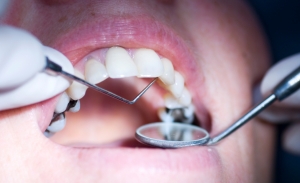
dental check upHere is yet another reason to consider getting tested for, and supplementing with Vitamin D3…I am re-printing a report released by the Orthomolecular Medical Society that discusses the connection between how much vitamin D3 you have in your body, and tooth decay, Alzheimer’s disease, respiratory infections, cancer, heart disease, diabetes and other ailments.  This is one of many essential nutrients that the body needs to function properly.   And it happens to be an inexpensive therapy that helps to prevent and  treat some of the most expensive diseases of our time like heart disease, cancer and diabetes. Vitamin D3 works synergistically with vitamin K and calcium to increase bone mineral density in women with osteoporosis. Some whole food sources include organic egg yolks, raw, organic butter (preferably from goat rather then cow), and cod liver oil.

Dr. G

Vitamin Deficiency Underlies Tooth Decay
Malnutrition Causes Much More than Dental Disease

Cavities and gum diseases are not often regarded as serious diseases, yet they are epidemic throughout our society, from the youngest of children to the oldest of senior citizens. Research more than suggests that the same good nutrition that prevents cavities and gum diseases may also prevent other illnesses.

Dental caries and gum pathology are frequently associated with serious chronic health problems. Multiple independent studies published after 1990 document this. Cavities are associated with poor mental health [1-4]. Elderly individuals with dementia or Alzheimer’s disease had an average of 7.8 teeth with fillings vs. an average of only 2.7 fillings for elderly individuals without dementia [1]. It is likely that the toxic heavy metal mercury, which makes up half of every amalgam filling, is a contributing factor.

A recent authoritative review showed a clear association between cavities and heart diseases [5]. More importantly, this same study showed that people with poor oral health, on average, lead shorter lives. The association between cavities and diabetes is also a subject of active, ongoing research [6-8]. Connections between heart disease, diabetes, and dental decay have been suspected for decades. Many of the scientists who called attention to this have proposed that diets high in sugar and refined carbohydrates were the common cause of these diseases [9-15].

Dental diseases, mental diseases, heart disease, infectious respiratory diseases, and heart disease are all at least partially caused by common failures in metabolism. Such failures are inevitable when there is a deficiency of essential nutrients, particularly vitamins D, C, and niacin.

There is especially strong evidence for a relationship between vitamin D deficiency and cavities. Dozens of studies were conducted in the 1930’s and 1940’s [16-27]. More than 90% of the studies concluded that supplementing children with vitamin D prevents cavities. Particularly impressive was a study published in 1941 demonstrated the preventative affect of “massive” doses of vitamin D [28]. And yet no subsequent studies in the scientific literature suggested a need to follow up and repeat this work.

Vitamin D deficiency is linked to respiratory infections, cancer, heart disease, diabetes and other ailments [29]. The evidence for vitamin C was reviewed by Linus Pauling [15], and the evidence for niacin was reviewed by Abram Hoffer [30].

Obtaining vitamins in sufficient doses to help prevent dental disease is safe and easily accomplished. Between 5,000 and 15,000 IU of vitamin D may be obtained from modest exposure to sunshine in the middle of the day. Recommending that people regularly use the capacity of their skin to make vitamin D is common sense. Certainly 1,000 to 2,000 IU per day of vitamin D in supplemental form is safe. 2,000 milligrams per day of vitamin C, and hundreds of milligrams per day of niacin, help prevent tooth and mouth troubles. Sick individuals, and those who are prone to cavities, will typically benefit by starting with higher doses of vitamin D, vitamin C, and niacin under the supervision of an orthomolecular physician.

We believe that individuals taking these nutrients, along with good dental care, will have dramatically fewer cavities and gum operations than individuals just getting good dental care. This idea is easily tested, and the time has come to do so.

References:

[1] B Ellefsen; P Holm-Pedersen; D E Morse; M. Schroll; B. Andersen; G. Waldemar. Caries Prevalence in Older Persons with and without Dementia. Journal of the American Geriatrics Society, Volume 56, Number 1, January 2008, 59-67(9).
[2] J M Chalmers, K D Carter, A J Spencer. Caries incidence and increments in community-living older adults with and without dementia. Australian Research Center for Population Oral Health, Dental School, The University of Adelaide, Adelaide 5005, Australia. Gerodontology Volume 19 Issue 2, 80 – 94.
[3] Friedlander, A.H.; Mahler, M.E. Major depressive disorder psychopathology, medical management and dental implications. Graduate Medical Education, Veterans Affairs Greater Los Angeles Healthcare System (14), Los Angeles, CA, USA. Journal of the American Dental Association (2001), 132(5), 629-638.
[4] Stewart, R.; et. al. Oral Health and Cognitive Function in the Third National Health and Nutrition Examination Survey (NHANES III), Psychosomatic Medicine 70:936-941 (2008).
[5] Meurman, J.H.; Sanz, M.;Janket, S. Oral infection and vascular disease. Institute of Dentistry, University of Helsinki, Finland. Vascular Disease Prevention (2007), 4(4), 260-267.
[6] Touger-Decker R, Sirois D A, Vernillo A T. Diabetes mellitus: Nutrition and oral health relationships. Department of Primary Care, School of Health-Related Professions, University of Medicine and Dentistry of New Jersey, Newark, NJ, USA. Editor(s): Touger-Decker, Riva. Nutrition and Oral Medicine (2005), 185-204.
[7] Diaz-Romero, R.; Casanova-Roman, R.; Beltran-Zuniga, M; Belmont-Padilla, J.; Mendez, J.; Avila-Rosas, H.. Oral Infections and Glycemic Control in Pregnant Type 2 Diabetics. Instituto Nacional de Perinatologia, Mexico City, Mex. Archives of Medical Research (2005), 36(1), 42-48.
[8] Twetman, S.; Johansson, I.; Birkhed, D.; Nederfors, T. Caries incidence in young type 1 diabetes mellitus patients in relation to metabolic control and caries-associated risk factors. Caries Research (2002), 36(1), 31-35.
[9] Bommer, S. Diseases of civilization and nutrition. Ernaehrungsforschung (1963), 7 598-612.
[10] Miler-Sosnkowska, M. Role of dietary carbohydrates in relation to their metabolism. Inst. Zywienia Czlowieka, Akad. Roln., Warsaw, Pol. Postepy Higieny i Medycyny Doswiadczalnej (1975), 29(4), 537-55.
[11] Cremer, H.D.; Eyer, H. Carbohydrates. Inst. Ernaehrungswiss. I, Univ. Giessen, Giessen, Fed. Rep. Ger. Ernaehrungs-Umschau (1975), 22(10), 291-3.
[12] Newberne, P.M.. Nutrition: summary of evidence. Sweeteners: Issues, uncertainties. Acad. Forum, 4th (1975), 76-85, 252-3.
[13] Heraud, G. Sucrose and nutritional pathology. Sucrerie Francaise (1979), 120(24), 21-6.
[14] Nuttall, F.Q.; Gannon, M.C.. Sucrose and disease. Diabetes Care (1981), 4(2), 305-10.
[15] Pauling, L. “How to Live Longer and Feel Better.” W.H. Freeman and Company, 1986. Revised 2006, Oregon State University Press. http://oregonstate.edu/dept/press/g-h/LiveLonger.html
[16] Tisdall, F.F. The effect of nutrition on the primary teeth. Child Development (1937) 8(1), 102-4.
[17] McBeath, E.C. Nutrition and diet in relation to preventive dentistry. NY J. Dentistry (1938) 8; 17-21.
[17] McBeath, E.C.; Zucker, T.F. Role of vitamin D in the control of dental caries in children. Journal of Nutrition (1938) 15; 547-64.
[19] East, B. R. Nutrition and dental caries. American Journal of Public Health 1938. 28; 72-6.
[20] Mellanby, M. The role of nutrition as a factor in resistance to dental caries. British Dental Journal (1937), 62; 241-52.
[21] His Majesty’s Stationery Office, London. The influence of diet on caries in children’s teeth. Report of the Committee for the Investigation of Dental Disease (1936).
[22] McBeath, F.C. Vitamin D studies, 1933-1934. American Journal of Public Health (1934), 24 1028-30.
[23] Anderson, P. G.; Williams, C. H. M.; Halderson, H.; Summerfeldt, C.; Agnew, R. Influence of vitamin D in the prevention of dental caries. Journal of the American Dental Association (1934) 21; 1349-66.
[24] Day, C. D.; Sedwick, H. J. Fat-soluble vitamins and dental caries in children. Journal of Nutrition (1934) 8; 309-28.
[25] Agnew, M. C.; Agnew, R. G.; Tisdall, F. F. The production and prevention of dental caries. Journal of the American Dental Association, JADA (1933) 20; 193-212.
[26] Bennett, N. G.; et al. The influence of diet on caries in children’s teeth. Special Report Series – Medical Research Council, UK (1931) No. 159, 19.
[27] Mellanby, M.; Pattison, C. L. The influence of a cereal-free diet rich in vitamin D and calcium on dental caries in children. British Medical Journal (1932) I 507-10.
[28] Brodsky, R. H.; Schick, B.; Vollmer, H.. Prevention of dental caries by massive doses of vitamin D. American Journal of Diseases of Children (1941) 62; 1183-7.
[29] http://www.vitamindcouncil.org/
[30] Hoffer A, Saul AW. Orthomolecular Medicine for Everyone. Laguna Beach, California, Basic Health Pub, 2008. http://www.doctoryourself.com/orthomolecular.html


The MOTHERS Act-Please Take Action Today

March 19, 2009

The MOTHERS act has been introduced once again to the US House of Representatives and the US Senate.   This bill is concerning as it would mandate the federal government to screen all new mothers for “psychiatric” conditions.  It parallels the “Teen Screen” phenomenon where schools began screening kids to see if they were at risk for suicide. It appears like a good idea on the surface however, it opens the door for over-prescribing potentially lethal psychiatric medications with questionable justification.  If you follow the money trail, it leads straight to the pharmaceutical industry, and new moms and teens are both huge markets that have, until now, been virtually untapped.

In my practice, I see many patients who have been prescribed psychiatric medications, feel disconnected from who they really are, and have grown extremely frustrated with the process of trying to get off the medications, with little if any support from their prescribing psychiatrist.  I often learn that these patients felt better before taking the medications and are now left confused and totally disenchanted by the Healthistock_000007074398xsmallcare system that offers no answers once a patient decides that his or her antidepressant is causing more harm then help.  Had they come in prior to taking the medications we would have worked together to find the underlying cause for the sad or anxious feelings. Oftentimes it is due to a multifaceted condition called Sickness Syndrome Depression that is best treated with natural medicines. Sometimes it can be related to adrenal stress, or compromised immune function, or an amino acid imbalance or other nutrient deficiency. Sometimes, and especially in new moms, it is simply due to a hormonal imbalance that can be easily and safely corrected through natural, nutrition -based medicine.  Patients are able to eventually break free from the psychiatric medications, but it is a long and committed process that takes time, energy and patience.

To gain a better understanding of the consequences of allowing this bill to pass, click here.

To see and hear one woman’s story about being misled by the psychiatric field and losing her child as a consequence, click here.

To sign a petition urging congress not to pass the MOTHERS act click here.

In the spirit of doing what is best for the patient,

Dr. G


A Quality Naturopathic Infant Formula

November 18, 2008

When it comes to feeding a newborn, few will argue that breast milk is best.  However, there are times when this is not possible or not indicated.  There are also higher levels of toxic chemicals in breast milk, and the impact of these toxic chemicals on the development of a breast-fed child is unknown.  Chemicals such as the organochlorine pesticide DDT, dioxins, polychlorinated dibenzfurans, and polychlorinated biphenyls all accumulate in breast milk. Mothers can limit exposure of these chemicals to their nursing baby by avoiding dry cleaners and not wearing clothes that are dry cleaned,  and limiting their intake of red meat, dairy (such as yogurt, cow’s milk and cheese), and fish, and eating a diet rich in organic fresh fruits and vegetables and safer proteins like tempeh, turkey and organic chicken and eggs.

Following is a naturopathic infant formula recipe that I use with my patients, particularly those that are currently formula fed and are presenting with digestive and skin-related conditions. Simply switching to this formula oftentimes resolves colic and skin rashes of unknown origin.

In the spirit of providing change for our children’s lives,

Dr. Gistock_000003158746small

***LTP Natural Medical Center’s Infant Goats Milk Formula using MEYENBERG Instant POWDERED GOAT MILK***
6 Scoops Powdered Goat Milk (84 grams)
36 oz Water
6.5 Tbs. Rice Syrup
1 capsule of LTP Probiotic Blend
1 tablespoon of Coconut Milk Powder

As baby matures during its first year, gradually increase goat milk powder to 8 scoops. Discontinue adding rice syrup (carbohydrates).

***Supplement with ChildLife Essential’s Liquid Multi Vitamin Mineral Supplement (or another high quality infant liquid multivitamin mineral supplement with vitamin D3).

Dosage Schedule:

  • Up to 6 months of age: ½ teaspoon per day
  • Up to 1 year of age: 1 teaspoon per day
  • Ages 1 to 4 years: 1-2 teaspoons per day
  • Ages 4 to 12 years: 2-3 teaspoons per day

Copyright 2008. Dr. Gina L. Nick. All rights reserved.