Organic Produce Under Attack

August 20, 2009

Seattle Farmers MarketA recent review by the UK Foods Standards Agency came out claiming that organic foods are no better than the less expensive conventionally grown foods.   A closer look at that review reveals some truths underlying the growing media attention and debate over whether or not organic foods are worth the extra buck. I am re-printing an excellent post on this topic  by Tom Philpott who farms and cooks at Maverick Farms, a sustainable-agriculture nonprofit and small farm in the Blue Ridge Mountains of North Carolina.

One of the key messages I received while researching this topic is that organic foods consistently contain a higher level of tertiary, phytochemicals then conventionally grown foods. These phytochemicals (e.g. resveratrol, chlorophyll, glucosinolates) hold as much, if not more promise for preventing and treating disease then the basic nutritional compounds that are used to test the benefit of one food over another.

In health,

Dr. Gina

A bit of nitrogen with those veggies?

Tom Philpott

A recent literature review by the U.K. Food Standards Agency concluded that organic foods offer no nutritional advantages to ones grown with conventional chemical agriculture.   The report quickly bounced around the media and the internet and has congealed into received wisdom. For example, in a recent chat with readers, Washington Post food politics columnist (and general policy writer) Ezra Klein engaged in the following exchange:

Santa Fe, N.M.: I saw a report today on a study finding that organic food isn’t any healthier than conventional food. Is buying organic a waste of money, in your opinion? Read the rest of this entry »


The Potential of Resveratrol-is it Worth Adding to your Health Regimen?

August 20, 2009

grapeResveratrol is a naturally occurring chemical found in the skins and seeds of red grapes, peanuts and in Polygonum, a popular and well respected herbal medicine from the Far East.  Currently, the research on Resveratrol is promising as a protective chemical against the damaging effects of toxins, synthetic estrogen and xenoestrogens, inflammation, and the process of aging.  It has specific actions on the brain, immune system, and heart.

In my practice I will use between 200 and 500 mg per day of Resveratrol as part of a treatment protocol. This typically is added to a protocol after a patient has been tested to determine if he or she has a deficiency of antioxidants or an imbalance of free radicals relative to antioxidants in the body.  All too often patients come into my practice with a huge bag of supplements, with no idea of what is working, what is not working and still battling the same symptoms that led him or her down the path of supplementation.

You know your body better then anyone else… you have been living in it your entire life!  You may have a sense of what is causing your symptoms and you also may have a sense for what medicines are helping or harming you.  To help confirm that sense, and develop a balanced approach to solving your health challenge, I encourage getting lab testing completed through a qualified Naturopathic Medical Doctor who has access and has experience with taking objective measured to get to an underlying biochemical cause for your symptoms.  And at that point, adding a powerful antioxidant such as Resveratrol to your protocol, and then re-testing after 3-6 months, this will let you know for certain if what you are taking is actually helping to balance your body!

In health,

Dr. Gina


Vitamin D3 & Curcumin for Brain Health

July 30, 2009

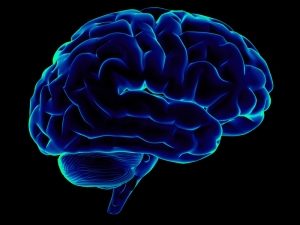
human brainA new research study, published in the Journal of Alzheimer’s Disease, points to the combination of Vitamin D3 and curcumin (derived from the common spice turmeric) to protect the brain against beta amyloid deposits. Beta amlyoid deposits can build up to form plaque.  This plaque is associated with an increase in brain cell damage and a significant increase in Alzheimer’s disease, which affects over 13 million people worldwide.

The combination of Vitamin D3 and curcumin help boost the immune system to the point of neutralizing and/or preventing the formation of these amlyoid deposits. The deposits are caused by excessive free radical production in the brain.  Other well researched foods that help to neutralize free radical production in the brain are spinach and raspberries.   Unfortunately, they are also at the top of the list of foods that have a higher content of pesticides, which increase free radical production and DNA damage. I recommend consuming these foods if they are locally grown and organic.

There are several genetic forms of Alzheimer’s.  The research shows that while one form responds well to curcumin, the other form does not.  However, when you combine the curcumin with Vitamin D3, it supports the immune system’s ability to eliminate the beta amyloid deposits from two different mechanisms, so that it also impacts patients with the genetic form of Alzheimer’s that does not respond to curcumin alone.

I am always in awe of the medicines offered in nature that impact even the most troublesome of health challenges.

In health,

Dr. Gina


Defend your Right to Know if Synthetic Hormones are in your Milk

July 22, 2009

Food Democracy Now and Organic Valley Family of Farms just released a call for help to rescind an anti-labeling law and prevent further regulations in Ohio that will restrict organic dairy farmers from labeling their products as free from the synthetic hormone rGBH.Tomatoe with nutriton facts

According to Food Democracy Now, there was a small group of corporations that pushed a law through last year making it illegal for organic farmers, such as Organic Valley Family of Farms, to label their products as free from artificial hormones.  On July 23rd the International Dairy Foods Association and Organic Trade Association will have a joint mediation with the Ohio Department of Agriculture to decide whether this rule go into effect.

To take action, call Ohio Governor Strickland and ask him to rescind Executive Order 2008-03S. Phone calls make the most impact so call today if it is important to you to know what is in the food you consume. His office # is: 614-466-3555.

I just saw the movie Food Inc. which is a revealing look into the reality behind how the food you consume and feed your loved ones is produced.  It is worth the time and energy, and offers hope and action steps you can take to improve the quality of our food supply.

This post is timely, as discussions are in full gear regarding healthcare reform in California and in the country.  Let’s focus on the cause of most chronic illness (which incidentally costs our government the most amount of money to manage), rather then masking the symptom by ensuring that all citizens receive the same level of healthcare which has failed miserably at treating chronic illness.  The foods we eat play the largest role in preventing and treating chronic illnesses such as heart disease and obesity.  Removing hydrogenated oils, refined sugar, high fructose corn syrup, genetically modified foods, and plant and animal proteins laden with synthetic hormones, antibiotics and pesticides from our food supply is an intelligible place to start. And by all means support companies such as Organic Valley Family of Farms that are willing to take the high road and produce quality products free from these disease-causing ingredients.

In health,

Dr. Gina


Chemicals in your Cosmetics

July 1, 2009

cosmeticsI am always amazed when I read the fine print on the ingredient labels of cosmetics, even some of the natural ones.  The skin is our largest detoxification organ and what we put on it affects how well our body is able to remove the burden of exposure to chemicals in the environment. In that spirit, I am including an article below written about this topic that offers resources on where to go to find out what chemicals are in your cosmetics and where to turn for cosmetics that are safe and nourishing to your skin.

In health,

Dr. G


Chemicals in your Cosmetics
by Dr. Gina Nick

It’s 7 AM, and time to get ready for your workday. First, touch up your nails with ethyl methacrylate and then line your lids with chromium hydroxide green. Brush some titanium dioxide across your cheekbones, pizzazz your pucker with some D&C Red No. 27 (the pearly effect courtesy of bismuth oxychloride) and you’re good to go!

Or are you? While your appearance may be great, behind the scenes there is a chemical war being waged on your body, courtesy of all the health and beauty aids you sprayed, rubbed, brushed and rolled on. Choosing makeup involves more than selecting the right shade and formulations for your skin color and type. You also want cosmetics that won’t have a negative impact on your body.

What’s in your makeup?
According to the Cosmetic Ingredient Review (CIR), (established in 1976 by the Cosmetic, Toiletry & Fragrance Association with support of the U.S. Food & Drug Administration and the Consumer Federation of America.), chemicals used in cosmetics fall into four main categories[i]: ingredients found safe , ingredients found safe with qualifications, ingredients for which there are insufficient data and ingredients found unsafe.

However, critics of the findings have pointed out that there may be flaws in some of the research. For example, the decision to categorize phthalates (which, according to research mimics estrogen in the body-which is implicated in hormone-specific cancers and conditions such as PMS, premature menopause and infertility) as safe for cosmetic formulations overlooks information gaps, according to the Environmental Working Group. These include[ii]:

• The failure to establish a NOEL [No Observed Effects Level] for the male-specific reproductive side effects of the phthalate DBP.

• The failure to determine the amounts of DBP that are absorbed in people’s bodies from cosmetics.

• The failure to determine the full range of products that include DBP (among them, deodorant, hair spray, and fragrances)

Phthalates aren’t the only chemicals that are under fire. Breast tumor tissue has shown estrogenic industrial chemicals called parabens, and, noted the Environmental Working Group (EWG), even the hormone systems in wildlife have been disrupted thanks to common water pollutants such as personal care products that enter the water system by way of your bathroom drain.[iii]

Surprising enough, except for cosmetics containing color additives, cosmetic manufacturers do not need to gain FDA premarket approval before putting their product on the shelves. Instead, they are expected to authenticate “the safety of their products and ingredients before marketing,” says Safe Cosmetics[v] — rather like asking the fox to check the performance of the lock on the hen house door.

With at least 25 percent of women and one out of every 100 men using at least 15 products daily (according to the EWG 2004 product use survey), this adds up to quite a lot of chemicals being applied to our skin (and possibly ingested into our body) in a 24-hour time period![vi]

What you can do
So what is the solution? Do you cross your fingers and hope for the best each time you apply blush or nail polish, roll on deodorant, highlight your hair or chemically de-fuzz your legs? Or do you avoid the risk and go au naturel?
Strike a balance between the two extremes by following these tips:

1. Read the labels. While the multi-syllabic chemical recipe might look overwhelming at first glance, reviewing the components at a database such as http://www.deancoleman.com/cosmetics.htm or http://www.smartskincare.com/ingredients/glossary is the first stage of your “Cosmetic Chemical Class.” Also check for a “Warning Label” that would indicate any health hazards associated with the product.[vii] The label (or packaging) will also alert you to products that are “past their prime.” At Aubrey Organics you can find a list of 10 synthetic cosmetic ingredients to avoid. Your local health food store is another great place to check out labels of “better for you” cosmetics and body products.

2. Review product ratings. Don’t buy products based on advertisements, recommendations or out of habit. Sites such as The Campaign for Safe Cosmetics’ Skin Deep (a searchable product guide covering 14,838 products and the 7,084 ingredients that form them) will help you choose safer products for you and your family. [viii]

3. Understand “Cosmeceuticals.” Multi-tasking has entered the cosmetics industry with a myriad of products that purportedly not only make you look better but actually improve your skin by virtue of addition of active ingredients such as alpha hydroxy acids and vitamins. Some research, particularly on topical vitamin C, certainly demonstrates benefit with regard to cell regeneration and cancer prevention. However, some experts have voiced concern that there has been a lack of clinical trials measuring their effectiveness and overall safety. [ix]

4. Support your body’s natural detoxification mechanisms. On a daily basis, your system is exposed to a variety of toxins and environmental attacks. Give it a boost by eating broccoli, radishes, and green vegetables and drinking fresh vegetable juice or wheatgrass juice. Focus on exercises that encourage deep breathing (such as yoga) and consider a trip to an infrared sauna to “sweat out” the toxins.

Here are a list of companies that offer safer options for your skin:

Product Recommendations

Aubrey Organics (http://www.aubrey-organics.com/)

Aztec Secret

Certain Dri

Chandrika

Crystal Body Deodorant

Jurlique (http://www.jurlique.com)

Longview Farms

Natra Bio

Simplers Botanical Company

Valhalla Essences

Weleda (a personal favorite)

References:

[i] http://www.cir-safety.org/findings.shtml

[ii] http://www.ewg.org/issues/cosmetics/20021119_panelmtg.php

[iii] http://www.ewg.org/reports/skindeep2/info_why.php

[v] http://www.safecosmetics.org/about/policies.cfm

[vi] http://www.ewg.org/reports/skindeep2/info_why.php

[vii] http://www.cfsan.fda.gov/%7Elrd/cfr740.html

[viii] http://www.safecosmetics.org/your_health/skindeep.cfm

[ix] http://en.wikipedia.org/wiki/Cosmeceutical


Vitamin D Deficiency and Tooth Decay

March 24, 2009

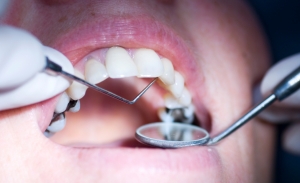
dental check upHere is yet another reason to consider getting tested for, and supplementing with Vitamin D3…I am re-printing a report released by the Orthomolecular Medical Society that discusses the connection between how much vitamin D3 you have in your body, and tooth decay, Alzheimer’s disease, respiratory infections, cancer, heart disease, diabetes and other ailments.  This is one of many essential nutrients that the body needs to function properly.   And it happens to be an inexpensive therapy that helps to prevent and  treat some of the most expensive diseases of our time like heart disease, cancer and diabetes. Vitamin D3 works synergistically with vitamin K and calcium to increase bone mineral density in women with osteoporosis. Some whole food sources include organic egg yolks, raw, organic butter (preferably from goat rather then cow), and cod liver oil.

Dr. G

Vitamin Deficiency Underlies Tooth Decay
Malnutrition Causes Much More than Dental Disease

Cavities and gum diseases are not often regarded as serious diseases, yet they are epidemic throughout our society, from the youngest of children to the oldest of senior citizens. Research more than suggests that the same good nutrition that prevents cavities and gum diseases may also prevent other illnesses.

Dental caries and gum pathology are frequently associated with serious chronic health problems. Multiple independent studies published after 1990 document this. Cavities are associated with poor mental health [1-4]. Elderly individuals with dementia or Alzheimer’s disease had an average of 7.8 teeth with fillings vs. an average of only 2.7 fillings for elderly individuals without dementia [1]. It is likely that the toxic heavy metal mercury, which makes up half of every amalgam filling, is a contributing factor.

A recent authoritative review showed a clear association between cavities and heart diseases [5]. More importantly, this same study showed that people with poor oral health, on average, lead shorter lives. The association between cavities and diabetes is also a subject of active, ongoing research [6-8]. Connections between heart disease, diabetes, and dental decay have been suspected for decades. Many of the scientists who called attention to this have proposed that diets high in sugar and refined carbohydrates were the common cause of these diseases [9-15].

Dental diseases, mental diseases, heart disease, infectious respiratory diseases, and heart disease are all at least partially caused by common failures in metabolism. Such failures are inevitable when there is a deficiency of essential nutrients, particularly vitamins D, C, and niacin.

There is especially strong evidence for a relationship between vitamin D deficiency and cavities. Dozens of studies were conducted in the 1930’s and 1940’s [16-27]. More than 90% of the studies concluded that supplementing children with vitamin D prevents cavities. Particularly impressive was a study published in 1941 demonstrated the preventative affect of “massive” doses of vitamin D [28]. And yet no subsequent studies in the scientific literature suggested a need to follow up and repeat this work.

Vitamin D deficiency is linked to respiratory infections, cancer, heart disease, diabetes and other ailments [29]. The evidence for vitamin C was reviewed by Linus Pauling [15], and the evidence for niacin was reviewed by Abram Hoffer [30].

Obtaining vitamins in sufficient doses to help prevent dental disease is safe and easily accomplished. Between 5,000 and 15,000 IU of vitamin D may be obtained from modest exposure to sunshine in the middle of the day. Recommending that people regularly use the capacity of their skin to make vitamin D is common sense. Certainly 1,000 to 2,000 IU per day of vitamin D in supplemental form is safe. 2,000 milligrams per day of vitamin C, and hundreds of milligrams per day of niacin, help prevent tooth and mouth troubles. Sick individuals, and those who are prone to cavities, will typically benefit by starting with higher doses of vitamin D, vitamin C, and niacin under the supervision of an orthomolecular physician.

We believe that individuals taking these nutrients, along with good dental care, will have dramatically fewer cavities and gum operations than individuals just getting good dental care. This idea is easily tested, and the time has come to do so.

References:

[1] B Ellefsen; P Holm-Pedersen; D E Morse; M. Schroll; B. Andersen; G. Waldemar. Caries Prevalence in Older Persons with and without Dementia. Journal of the American Geriatrics Society, Volume 56, Number 1, January 2008, 59-67(9).
[2] J M Chalmers, K D Carter, A J Spencer. Caries incidence and increments in community-living older adults with and without dementia. Australian Research Center for Population Oral Health, Dental School, The University of Adelaide, Adelaide 5005, Australia. Gerodontology Volume 19 Issue 2, 80 – 94.
[3] Friedlander, A.H.; Mahler, M.E. Major depressive disorder psychopathology, medical management and dental implications. Graduate Medical Education, Veterans Affairs Greater Los Angeles Healthcare System (14), Los Angeles, CA, USA. Journal of the American Dental Association (2001), 132(5), 629-638.
[4] Stewart, R.; et. al. Oral Health and Cognitive Function in the Third National Health and Nutrition Examination Survey (NHANES III), Psychosomatic Medicine 70:936-941 (2008).
[5] Meurman, J.H.; Sanz, M.;Janket, S. Oral infection and vascular disease. Institute of Dentistry, University of Helsinki, Finland. Vascular Disease Prevention (2007), 4(4), 260-267.
[6] Touger-Decker R, Sirois D A, Vernillo A T. Diabetes mellitus: Nutrition and oral health relationships. Department of Primary Care, School of Health-Related Professions, University of Medicine and Dentistry of New Jersey, Newark, NJ, USA. Editor(s): Touger-Decker, Riva. Nutrition and Oral Medicine (2005), 185-204.
[7] Diaz-Romero, R.; Casanova-Roman, R.; Beltran-Zuniga, M; Belmont-Padilla, J.; Mendez, J.; Avila-Rosas, H.. Oral Infections and Glycemic Control in Pregnant Type 2 Diabetics. Instituto Nacional de Perinatologia, Mexico City, Mex. Archives of Medical Research (2005), 36(1), 42-48.
[8] Twetman, S.; Johansson, I.; Birkhed, D.; Nederfors, T. Caries incidence in young type 1 diabetes mellitus patients in relation to metabolic control and caries-associated risk factors. Caries Research (2002), 36(1), 31-35.
[9] Bommer, S. Diseases of civilization and nutrition. Ernaehrungsforschung (1963), 7 598-612.
[10] Miler-Sosnkowska, M. Role of dietary carbohydrates in relation to their metabolism. Inst. Zywienia Czlowieka, Akad. Roln., Warsaw, Pol. Postepy Higieny i Medycyny Doswiadczalnej (1975), 29(4), 537-55.
[11] Cremer, H.D.; Eyer, H. Carbohydrates. Inst. Ernaehrungswiss. I, Univ. Giessen, Giessen, Fed. Rep. Ger. Ernaehrungs-Umschau (1975), 22(10), 291-3.
[12] Newberne, P.M.. Nutrition: summary of evidence. Sweeteners: Issues, uncertainties. Acad. Forum, 4th (1975), 76-85, 252-3.
[13] Heraud, G. Sucrose and nutritional pathology. Sucrerie Francaise (1979), 120(24), 21-6.
[14] Nuttall, F.Q.; Gannon, M.C.. Sucrose and disease. Diabetes Care (1981), 4(2), 305-10.
[15] Pauling, L. “How to Live Longer and Feel Better.” W.H. Freeman and Company, 1986. Revised 2006, Oregon State University Press. http://oregonstate.edu/dept/press/g-h/LiveLonger.html
[16] Tisdall, F.F. The effect of nutrition on the primary teeth. Child Development (1937) 8(1), 102-4.
[17] McBeath, E.C. Nutrition and diet in relation to preventive dentistry. NY J. Dentistry (1938) 8; 17-21.
[17] McBeath, E.C.; Zucker, T.F. Role of vitamin D in the control of dental caries in children. Journal of Nutrition (1938) 15; 547-64.
[19] East, B. R. Nutrition and dental caries. American Journal of Public Health 1938. 28; 72-6.
[20] Mellanby, M. The role of nutrition as a factor in resistance to dental caries. British Dental Journal (1937), 62; 241-52.
[21] His Majesty’s Stationery Office, London. The influence of diet on caries in children’s teeth. Report of the Committee for the Investigation of Dental Disease (1936).
[22] McBeath, F.C. Vitamin D studies, 1933-1934. American Journal of Public Health (1934), 24 1028-30.
[23] Anderson, P. G.; Williams, C. H. M.; Halderson, H.; Summerfeldt, C.; Agnew, R. Influence of vitamin D in the prevention of dental caries. Journal of the American Dental Association (1934) 21; 1349-66.
[24] Day, C. D.; Sedwick, H. J. Fat-soluble vitamins and dental caries in children. Journal of Nutrition (1934) 8; 309-28.
[25] Agnew, M. C.; Agnew, R. G.; Tisdall, F. F. The production and prevention of dental caries. Journal of the American Dental Association, JADA (1933) 20; 193-212.
[26] Bennett, N. G.; et al. The influence of diet on caries in children’s teeth. Special Report Series – Medical Research Council, UK (1931) No. 159, 19.
[27] Mellanby, M.; Pattison, C. L. The influence of a cereal-free diet rich in vitamin D and calcium on dental caries in children. British Medical Journal (1932) I 507-10.
[28] Brodsky, R. H.; Schick, B.; Vollmer, H.. Prevention of dental caries by massive doses of vitamin D. American Journal of Diseases of Children (1941) 62; 1183-7.
[29] http://www.vitamindcouncil.org/
[30] Hoffer A, Saul AW. Orthomolecular Medicine for Everyone. Laguna Beach, California, Basic Health Pub, 2008. http://www.doctoryourself.com/orthomolecular.html


The MOTHERS Act-Please Take Action Today

March 19, 2009

The MOTHERS act has been introduced once again to the US House of Representatives and the US Senate.   This bill is concerning as it would mandate the federal government to screen all new mothers for “psychiatric” conditions.  It parallels the “Teen Screen” phenomenon where schools began screening kids to see if they were at risk for suicide. It appears like a good idea on the surface however, it opens the door for over-prescribing potentially lethal psychiatric medications with questionable justification.  If you follow the money trail, it leads straight to the pharmaceutical industry, and new moms and teens are both huge markets that have, until now, been virtually untapped.

In my practice, I see many patients who have been prescribed psychiatric medications, feel disconnected from who they really are, and have grown extremely frustrated with the process of trying to get off the medications, with little if any support from their prescribing psychiatrist.  I often learn that these patients felt better before taking the medications and are now left confused and totally disenchanted by the Healthistock_000007074398xsmallcare system that offers no answers once a patient decides that his or her antidepressant is causing more harm then help.  Had they come in prior to taking the medications we would have worked together to find the underlying cause for the sad or anxious feelings. Oftentimes it is due to a multifaceted condition called Sickness Syndrome Depression that is best treated with natural medicines. Sometimes it can be related to adrenal stress, or compromised immune function, or an amino acid imbalance or other nutrient deficiency. Sometimes, and especially in new moms, it is simply due to a hormonal imbalance that can be easily and safely corrected through natural, nutrition -based medicine.  Patients are able to eventually break free from the psychiatric medications, but it is a long and committed process that takes time, energy and patience.

To gain a better understanding of the consequences of allowing this bill to pass, click here.

To see and hear one woman’s story about being misled by the psychiatric field and losing her child as a consequence, click here.

To sign a petition urging congress not to pass the MOTHERS act click here.

In the spirit of doing what is best for the patient,

Dr. G


Dr. Gina’s New Organic Vegan Smoothie Recipe

March 17, 2009

I’d like to share a new recipe with you that I have come up with that offers all around immune, digestive, antioxidant, and detoxification support. This is my new morning smoothie regimen. And it takes about 1 minute to make!

Here it is:

  • 2 scoops of Intestinal RejuvenX
  • 1 heaping tablespoon LTP Green Light
  • 1 heaping tablespoon LTP Organic Reds
  • 1/2 – 1 cups frozen fruit (banana, blueberries, etc.)
  • ice and cold water

Blend together to desired consistency and enjoy!

*** You can call the office to order any of these products as they are all stocked in our medicinary. Just mention you’d like the “new smoothie” products.

In joy, and in health,

Dr. Gina


Vitamin D Deficiency Causes Teen Health Challenges

March 16, 2009

A new study done at Johns Hopkins Bloomberg School of Public Health reveals even more data on the association between Vitamin D deficiency and health. In this case, researchers studied approximately 3,600 boys and girls ages 12 to 19 who took part in a government health survey from 2001 to 2004.

The teenage boys and girls with the lowest levels of Vitamin D in their blood were twice as likely to develop high blood pressure and high blood sugar.  Even more alarming, the teens with the lowest levels of Vitamin D in their blood were four times as likely to develop metabolic syndrome. This syndrome is characterized by a triad of conditions, namely high blood pressure, high blood sugar levels and high cholesterol, that are associated with diabetes and heart disease.  Metabolic syndrome patients also tend to store fat around their midsection.  This condition is closely related to stress and Sickness Syndrome.   Most of the patients that I treat for Sickness Syndrome Depression and stress-related illness inevitably have low levels of vitamin D in their blood.  This makes sense given that a key source for vitamin D is exposure to the sun, and lack of exposure to the sun will, in many people, lead to depression and inflammation.

In our office, we test the blood for Vitamin D3, which is the active form of the vitamin.  And oftentimes if a patient has inflammation, metabolic syndrome, high cholesterol, high blood pressure, or Sickness Syndrome, then Vitamin D3 testing and treatment becomes part of their path to optimal health.

If this is a topic of interest to you, please read previous posts on vitamin D3.

In health,

Dr. Gina


ALA Youth Leadership Training Conference

February 23, 2009

angel-light-academy_for_phone2Angel Light Academy (ALA) is a volunteer operated non-denominational organization that is very near and dear to my heart. The mission of this reputable and time-tested organization is to enhance the health, happiness, and well-being of individuals through the practice and demonstration of unconditional love, as well as through education, research and service. ALA is a caring resource for people of all ages who seek to change their lives providing guidance, support and hope.

On March 7-8, 2009 Angel Light Academy will be hosting their Annual Youth Leadership “Kick-Off” Conference.  This conference kicks off the organization’s year-round training programs which includes problem solving, decision making, communication, leadership skills and team building.  Extensively trained volunteers utilize role playing, games, theater, art and sports to nurture, develop and facilitate leadership qualities in youth of all ages hailing from diverse ethnic, socio-economic and cultural backgrounds.

Every time you help another you are already an Angel on Earth.  If you would like to expand, and help meet a community need,  please consider sponsoring one ($100)  or more children for the conference, by clicking here or calling 1-866-30ANGEL (1-866-302-6435).  If you are local or are a patient at LTP Natural Medical Center, feel free to call our office or stop by to pick up a brochure & sponsorship form.

Please consider helping them out, as an Angel on Earth.

In health,

Dr. Gina