FDA Essentially Bans Trans Fats

June 18, 2015

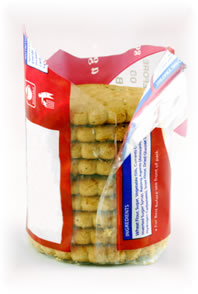
small_food_packageNaturopathic Physicians have been educating the public and their patients on the dangers of trans fats (also known as hydrogenated or partially hydrogenated oils) for 30 plus years based on studies from the 1970’s showing a link between these artificial fats and heart disease.

Finally, the FDA, in an effort to prevent heart attacks and deaths, finalized its determination that the main sources of artificial trans fat are not safe. FDA gave food manufacturers until June 2018 to remove partially hydrogenated oils (PHOs) from their products after concluding that the oils are not so-called GRAS, or generally recognized as safe.

It’s hopeful that our government is finally taking action and acknowledging the SIGNIFICANT impact that our food supply has on the state of health of our citizens, and the major economic burden the US shoulders to manage chronic illnesses that can easily be prevented by removing artificial chemicals, excess sugar, high fructose corn syrup, and the like from our food supply.

Research identified a relationship between folic acid deficiencies and birth defects as early as 1965. It was not until 1992 that the United States Public Health Service shared this critical knowledge with the country and recommended that all women of childbearing age, capable of becoming pregnant, consume 400mcg of folic acid per day. It took the scientific community almost 30 years to accept that a nutrient deficiency might cause a gross distortion in human neuronal development and to recommend supplementation. Tens of thousands of children were born during this time with preventable birth defects.

Let’s use common sense, and consider listening to the doctors who pay attention to the research as it comes available rather then waiting 30 years to act on it, and who are tirelessly working to educate the public on the importance of quality food and the power of nutritional medicine to prevent and treat disease.

In health,
Dr. Gina


Toxic Feminine Hygiene Products

November 28, 2014

Here is an informative post about a report released by the Women’s Voices for the Environment called “Chem Fatale” that examined the toxicity of various feminine hygiene products. They found that tampons, pads and other feminine hygiene products contain unwanted chemicals and pesticides, and can be detrimental to women’s health.

Below is the full discussion. Products applied vaginally can enter the circulation quickly, making it especially important for women to be aware of this.

In health,

Dr. Gina

___

The Dirty Secrets of Feminine Hygiene Products

The Gerson Institute

I know menstruation—and the vagina, generally—is a conversational topic that often prompts expressions of disgust, mockery, gross-out jokes or pleas for ignorance, particularly from men. But let’s all agree to be mature adults here, and talk seriously about a health issue that affects nearly every woman on the planet, and is too often ignored out of misguided politeness or squeamishness.

The average woman will have about 350 menses in her lifetime, which, given an estimated average period length of 6 days, means she will spend a total of nearly 6 years of her life menstruating. It’s estimated that the average woman uses up to 11,800 tampons in her lifetime. So that’s a lot of sustained exposure to menstrual products. And in addition to menstrual products, an estimated 10-40% of women use other feminine hygiene products such as douches, wipes, deodorants and creams

The female genitalia is the home to a very delicate balance of bacteria and yeast. If that balance is disturbed, one can end up with painful conditions such as urinary tract infections (UTIs), vaginitis, pelvic inflammatory disease (PID) and yeast infections. Some of these infections, particularly UTIs, can become quite acutely severe.

The best way to safeguard against these common, but potentially serious, infections is to prevent them altogether, and to keep the bacteria and yeast levels in balance. While there are many things you can do to avoid UTIs, yeast infections and other problems—such as urinating before and after sexual intercourse, avoiding over-washing the area with harsh soaps, wiping front-to-back, avoiding bubble baths, and wearing cotton underwear—another is to be very cautious about what types of materials and items you put “down there.”

6 Nasty Substances Found in Feminine Hygiene Products

  • Chlorine: Used to bleach cotton menstrual products, particularly tampons and menstrual pads
  • Dioxins and furans: Known carcinogens that can cause reproductive, developmental and hormonal problems, and can have a detrimental effect on the immune system. These are by-products of the chlorine used for the bleaching process.
  • Pesticide residue: Most cotton used for tampons and pads is made from conventionally-grown cotton, which is treated with heavy pesticides. While the FDA “recommends” that tampons be free of pesticide residue, testing on the popular brand o.b. detects the presence of pesticides like pyrethrum, procymidone, mecarbam and fensulfothion—which are possible carcinogens and linked to endocrine disruption. And, while the Chem Fatale report does not mention this specifically, I would also like to mention that some brands use genetically-modified cotton. If you’re avoiding eating GMO foods, you’ll probably want to reconsider putting GMO products in other parts of your body as well.
  • Fragrance: This one simple word can contain multitudes of harmful chemicals—none of which are required to be listed or disclosed on labels. “Fragrances” can include chemicals known to be carcinogens, endocrine disruptors, irritants and allergens. While these fragrances are most commonly found in douches and sanitary wipes (more on that topic later), it’s also common for pads and tampons to come with “scented” versions. Feminine deodorants and perfumes are also well-known to cause irritation and allergic reactions, in large part due to the fragrances used.
  • Parabens: Found in vaginal anti-itch creams, feminine wipes and feminine washes, typically as a preservative. Parabens are skin irritants and allergens, and may have damaging estrogenic properties.
  • Synthetic materials: Most tampons and pads are not 100% cotton these days, they are made from synthetic fabrics like rayon, or Super Absorbent Powders (SAPs). Some of these substances, along with the other chemicals and fragrances, can cause rashes and skin irritation, particularly when used in menstrual pads.

In addition to the toxicity of these various chemicals found in feminine hygiene products, I would also like to note that there are also certain types of products that are harmful to vaginal health not only due to their ingredients, but because their actual functions and purposes are inherently problematic.

Why “Douchebag” Deserves to be a Bad Word

There’s a good reason that the words “douche” and “douchebag” have become popular pejorative insults. Douches are well-deserving of the negative publicity its common usage in the modern lexicon has granted it. Douches are linked to a host of problems: vaginitis, chronic yeast infections, pregnancy complications, infertility and pelvic inflammatory disease (PID). Studies have shown a correlation between regular douching and cervical cancer. They may also cause women to be more vulnerable to sexually-transmitted infections (STIs). So, why are they so harmful? And why do they remain so popular?

The reason douches cause so many problems is that they disrupt the natural self-cleaning function of the vagina, wiping out the beneficial bacteria in the vagina and leaving it vulnerable to yeast overgrowth and “bad” bacteria. The vagina is a self-cleaning organ; the mucous that lubricates it also eliminates any harmful substances that enter it, such as bad bacteria or viruses than can cause infections. A healthy vagina needs no cleansing agents; it does just fine on its own, thanks. It certainly doesn’t need the host of disinfectants, “fragrances” or other chemicals that douches, wipes and washes contain. Yet there is still a great deal of stigma and shame regarding the vagina in regards to perceived uncleanliness, or fear of odors, so some women feel compelled to clean it or “freshen” it. And yet, because douching can disrupt the all-important flora-yeast balance in the vagina, douches can actually cause the very odor issues they purported to eliminate.

Teen girls are particularly susceptible to these fears, given the multitude of anxieties surrounding puberty and the onset of menstruation, but douches are also all-too-commonly—and somewhat disproportionately—used by low-income and minority women.

Despite the near-universal condemnation of the practice by the medical and gynecological communities, the belief that douching is “an expected and necessary part of feminine hygiene” likely persists due to advertisements that perpetuate these beliefs by preying on women’s insecurities, but also by well-intentioned but poorly-informed friends and family members.

In the 1950s, a now-notorious series of manipulative ad campaigns aimed at housewives informed them that their vaginas were dirty and smelly, and made them repulsive to their husbands. The solution to their marital woes? To “freshen up” by douching with Lysol (shudder!).

Lysol ad

There’s also the persistent myth that douching prevents pregnancy. This is because archaic contraceptive methods involving douching date back practically to prehistory, and remained popular through much of the 20th century, thanks to the aforementioned Lysol ad campaigns, which were subtly angled at selling Lysol douches as a contraceptive. You may notice that, in the ad above, the tag-line refers to Lysol as a “germ-killer,” which just happens to rhyme with “sperm-killer,” and others described Lysol as a “germicide.” Lysol was, frighteningly, the most popular contraceptive in America from the 1920s until the early 1960s. Of course, it didn’t really work; a 1933 study showed that half the women surveyed who used Lysol as a contraceptive became pregnant. In some cases, douching can increase risk of pregnancy by pushing sperm up into the cervix, rather than washing it out!

So please, if you spot a bottle of Summer’s Eve under your friend, wife, daughter or partner’s bathroom sink, share this information with them, and help stop the—if you’ll pardon the bad pun—“flow” of bad information about women’s health. And, use this information to make conscious and informed choices about the products you choose to put in your body—especially in such a sensitive area!

Check back here next week, we’ll list the top natural, chemical-free alternatives to Tampax and common drugstore menstrual products!


About the Author: Ally Bacaj is the Gerson Institute’s Communications Specialist. She joined the Institute after graduating from St. Mary’s College of Maryland in 2010. Ally manages the design and content of our website and our blog. She also shares news from the Gerson Institute on our Facebook page, Pinterest and Twitter.

In her spare time, you can find Ally unearthing vintage treasures at the swap meet, with her nose stuck in a book or snuggling with her pet bunny, Dennis Hopper.


Photo credits: Whispered Between Women, Smithsonian Magazine

Leadership Training Institute

July 21, 2014

Please consider donating to this cause! Click here to learn more and read below.

In health,

Dr. Gina

___

The Angel Light Academy Leadership Training Institute is a phenomenal organization that teaches problem solving, communication and leadership skills to under served youth.  There is nothing like this organization out there, which is why I have been an active volunteer for the past 8 years and support the organization’s efforts to create quality leaders in our world.

Please consider sponsoring at least one child for the year.  We provide training every six weeks and hold a two day long annual conference each year in Indio, CA in March.  Our organization is 100% volunteer run by teachers, physicians, lawyers, judges, army generals, etc., and EVERY dollar goes DIRECTLY to the children.

$1000 sponsors one child for the entire year of programing. Some of the kids have been participating since they were 3 and are now college graduates.  This organization STICKS WITH the children all the way through, until they reach their desired professional and personal goals.

Please consider sponsoring five or more children this year if you are able.  They truly are our future, and this organization is committed to creating the future leaders.

Angel Light Academy has been in operation for nearly 20 years and we currently do not have a benefactor so your donations mean so much to me and to the organization and most importantly to the children.

Love,
Dr. Gina


An Introduction to Bio-identical Hormone Replacement Therapy

July 18, 2014

PharmCon.jpg.w300h62Dr. Gina just gave another PharmCon continuing medical education presentation this morning at 7:30 AM on Progesterone: A Powerful Hormone for Women and Men.  The response was overwhelming. There were nearly 600 attendees (!) at her presentation. Here are a few comments from the doctors in attendance:

“Excellent”

“Great program. This is an area that most of us do not get much exposure to. Really Enjoyed it.”

“LOVED this presentation and topic!”

“Please have more! Very informative and interesting presentation.”

“Excellent, we need more of this type. excellent overview of advantages of various dosage forms of progesterone,deficiency symptoms, differences from estrogen and xenoestrogen, additional source material and most importantly differences between bioidentical and synthetic progesterone and estrogen.”

“Excellent presenter and great presentation.”

“Thank you very much. GOD bless you. Excellent and informative presentation.”

“Dr.Cushman is [an] excellent presenter.”

If you are a licensed healthcare professional or a patient who wants your doctor to learn more about this emerging field of bio-identical hormone replacement therapy…don’t miss her next lecture!

Topic: An Introduction to Bio-identical Hormone Replacement Therapy

When: July 22nd at 7:30 AM PDT

Receive 1 hour of LIVE continuing medical education credit.

Where: FreeCe.com

Hope to see you there!

HealthBridge Medical Center and DrGina.com


New Recommendations for Pregnant and Breastfeeding Women, and Children

June 12, 2014

pregnant_womanFederal officials on Tuesday announced major changes in advice to pregnant and breastfeeding women by recommending consumption of at least 8 ounces of low-mercury fish per week.

It is the first time that the Environmental Protection Agency and Food and Drug Administration have issued recommendations on the minimum amount of fish that pregnant women and children should eat. The previous advisory, issued in 2004, included only maximum amounts to protect their fetuses and young children from mercury, which can harm developing brains and reduce IQs. Click here to read more.

That is a good step in the right direction.  Now we need to be made aware of the levels of radioactive chemicals showing up in the fish as that is equally if not more concerning to human health.

Dr. Gina


Hormone Health in the Childbearing Years-Article By Dr. Gina Published in LA Parent

April 30, 2014

happy_babyFor National Infertility Week this blog seems most appropriate. We have a great fertility program at HealthBridge Medical Center that helps couples to conceive naturally (when IVF fails or is just not an option for the couple), with the use of bio-identical hormones, detoxification and diet. It is truly amazing what can happen when you give the body what it needs. It heals itself…and if it was possible and meant to be, creates an optimal environment for a child to be born into. The result is a healthier mom, dad and baby.
In health,
Dr. Gina

Dr. Gina Nick's avatarDr. Gina's Blog

Check out the latest article by Dr. Gina, on hormone health in the childbearing years, published in LA Parent magazine.

Click here to access the La Parent article.

View original post


Omega 3 Fatty Acids Cross the Blood Brain Barrier

December 5, 2013

human brainNew research from Karolinska Institute in Sweden shows that omega-3 fatty acids in dietary supplements can cross the blood brain barrier in people with Alzheimer’s disease, affecting known markers for both the disease itself and inflammation. The findings are presented in theJournal of Internal Medicine, and strengthen the evidence that omega-3 may benefit certain forms of this seriously debilitating disease. Click here to read more.

This is yet another published study that demonstrates how proper fatty acid balance in the blood stream can prevent and treat diseases with an inflammatory component.  The research to date points to benefit of the essential fatty acids in the following conditions:

Cardiovascular Health

  • Endocrine influence
  • Glucose maintenance
  • Lipids and triglycerides
  • Metabolic parameters
  • Primary prevention
  • Secondary prevention

Children’s Health and Development

  • Adolescent and teen health
  • ASD – Autism spectrum disorders
  • Attention, learning, and behavior
  • Disease prevention
  • Neurological development
  • Intelligence
  • Vision

Female Health and Reproduction

  • Peri-and post-menopause
  • Pregnancy & breastfeeding
  • Puberty and menstrual years

Immune Health

  • Acute infections
  • Allergies
  • Chronic immune deficiencies

Joint and Tissue Inflammation

  • Intestinal health
  • Joint flexibility & mobility

Lifestyle and Healthy Living

  • Alcohol and tobacco use
  • Body fat/weight
  • Fitness
  • Healthful living
  • Stress

Mental/Neurological Health

  • CNS Developement
  • Cognitive function/agent
  • Depression and mood
  • Mental balance

In our concierge medical practice we test the blood for over 30 fatty acids to identify what specifically is out of balance and needs treatment. In some patients, too many of the omega 3 fatty acids can suppress important components of immune function and can promote tumor growth.  In some patients their level of trans fatty acids (hydrogenated fats) are the culprit in blocking cell to cell communication.  Other patients  may only need DHA but not GLA.  And so forth. This is why testing, and getting an individualized report on what your body needs, will lead to a more positive outcome in terms of managing your long term health.

In health,

Dr. Gina


BPA and the Risk of Miscarriage

October 16, 2013

New research suggests that high levels of BPA, a chemical in many plastics and canned food linings, might raise the risk of miscarriage in women prone to that problem or having trouble getting pregnant.

The work is not nearly enough to prove a link, but it adds to “the biological plausibility” that BPA might affect fertility and other aspects of health, said Dr. Linda Giudice, a California biochemist who is president of the American Society for Reproductive Medicine. The study was to be presented Monday at the group’s annual conference in Boston. Last month, ASRM and an obstetricians group urged more attention to environmental chemicals and their potential hazards for pregnant women.

BPA, short for bisphenol-A, and certain other environmental chemicals can have very weak, hormone-like effects. Tests show BPA in nearly everyone’s urine, though the chemical has been removed from baby bottles and many reusable drink containers in recent years. The federal Food and Drug Administration says BPA is safe as used now in other food containers. Read more by clicking here.

When treating infertility one arm of treatment involves detoxification and removing exposure to chemicals such as BPA (there are many more) that alter hormone balance and affect fertility.

In health,

Dr. GinaImage


Pesticide Exposure and Parkinson’s

May 29, 2013

A new study child_picking_strawberriesreveals that prolonged exposure to pesticides, bug and weed killers, and solvents  raise the risk for developing Parkinson’s disease.

Italian investigators who reviewed more than 100 prior studies found exposure to such agents boosted Parkinson’s disease risk by anywhere from 33 percent to 80 percent, they reported in the May 28 issue of the journal Neurology.

“Due to this association, there was also a link between farming or country living and developing Parkinson’s in some of the studies,” study leader Dr. Emanuele Cereda, of the IRCCS University Hospital San Matteo Foundation in Pavia, said in a journal news release.

Some studies specifically explored how home or work environment affected disease risk. Where individuals got their water also was the subject of some investigations.

Environmental toxins absolutely contribute to this disease and there are ways to test the blood and urine which we regularly do for our patients at HealthBridge to identify possible exposure and associated damage to neural tissue years before a disease like this has the opportunity to manifest.  We implement customized purification programs to assist in lowering the toxic burden and risk of disease.

In health,

Dr. Gina


Yoga Improves Genetics

May 1, 2013

GirlYogaYoga has demonstrated great benefit for a wide range of health challenges, including back pain, high blood pressure, anxiety and more.  Now, researchers have learned one of the reasons why yoga is so beneficial for human health.  A new Norwegian study reveals that yoga has almost instant effects on altering gene expression in favor of a strong immune system.

In health,

Dr. Gina